


The Weavers centers a community of textile workers and their equally rattled bosses whose understanding of labor, sense of faith, and humanity is pressed to the brink by the unstoppable march of mechanization, automation, and the free-fall collapse of empathy. #willAItakemyjob
Made possible with generous support from the MIT Center for Art, Science & Technology (CAST), and MIT Future Fest.
Starring Brad Burgess, Parker Jennings, Cristhian Mancinas-García, Sally Rose Zuckert, Jorge Rubio, Mitra Sharif, Hui Ying Wen, and Hugo Nelson; with stage design by Joseph Lark-Riley; video and interactive design by Peter Torpey with Anna Borou Yu; camera operated by Yanyi Liu; clothing design by Jonathan Fajors; sound design by Christian Frederickson; lighting design by Xinyu Xu; in collaboration with director of production Maggie Moore; stage manager Molly Bercutt; dramaturg Zishan Ugurlu.
Reserve free tickets for the performances here via Eventbrite.
Purchase MIT Future Fest pass here to access all Future Fest events.
About the production
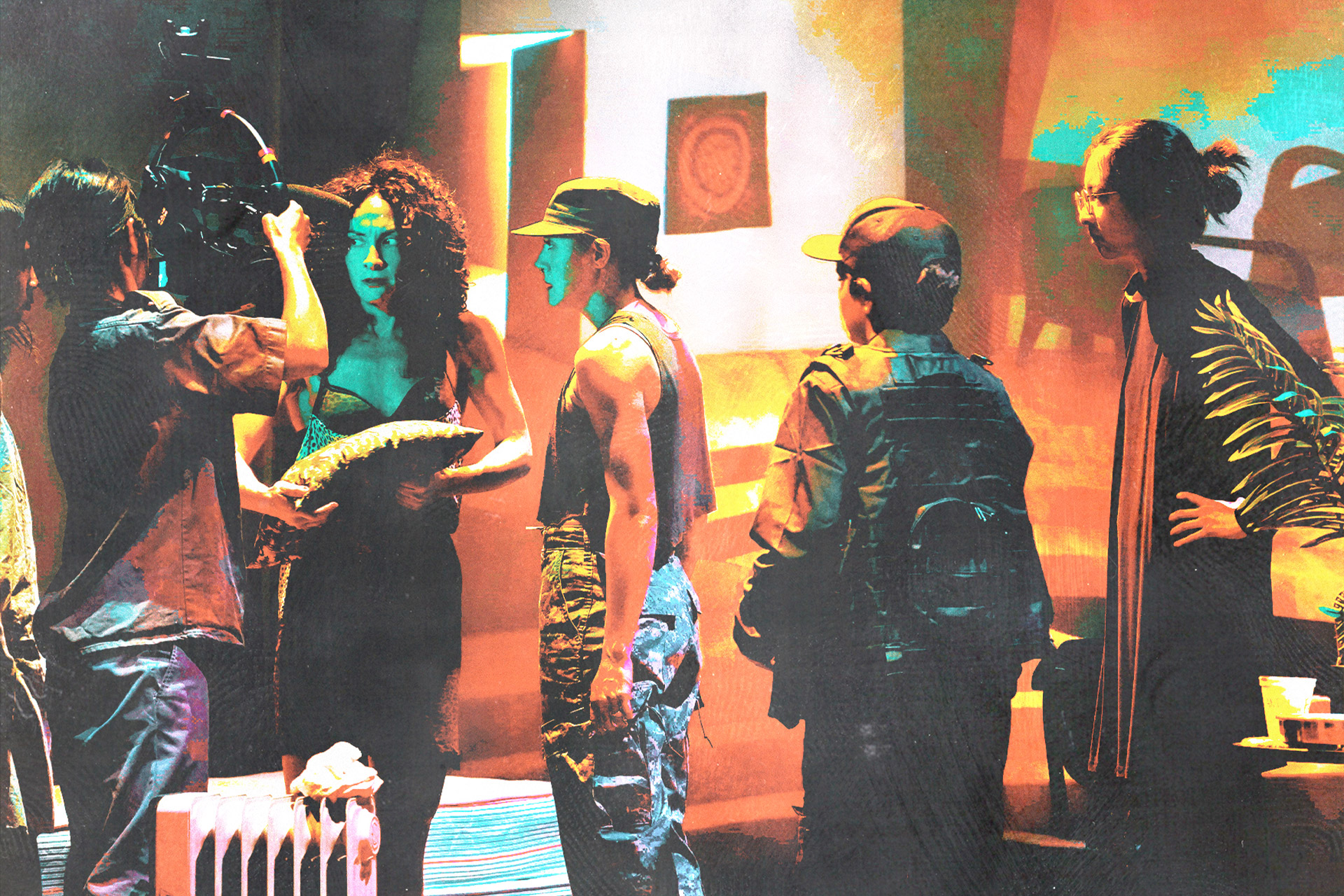
Rise up and resist? Or close your eyes and conform? Struggling to compete with the machines, a community of textile workers are pressed to the limits of poverty as they grapple with the most dangerous questions of all—take refuge and hope things will work out in the end? Conform and be replaced? Take arms against a sea of automation? With struggles at the loom, the weavers come to learn that going with the flow—much like taking a stand—makes little difference to a system that seems to have long since decided their fates. Time for something new? Will AI really take my job?
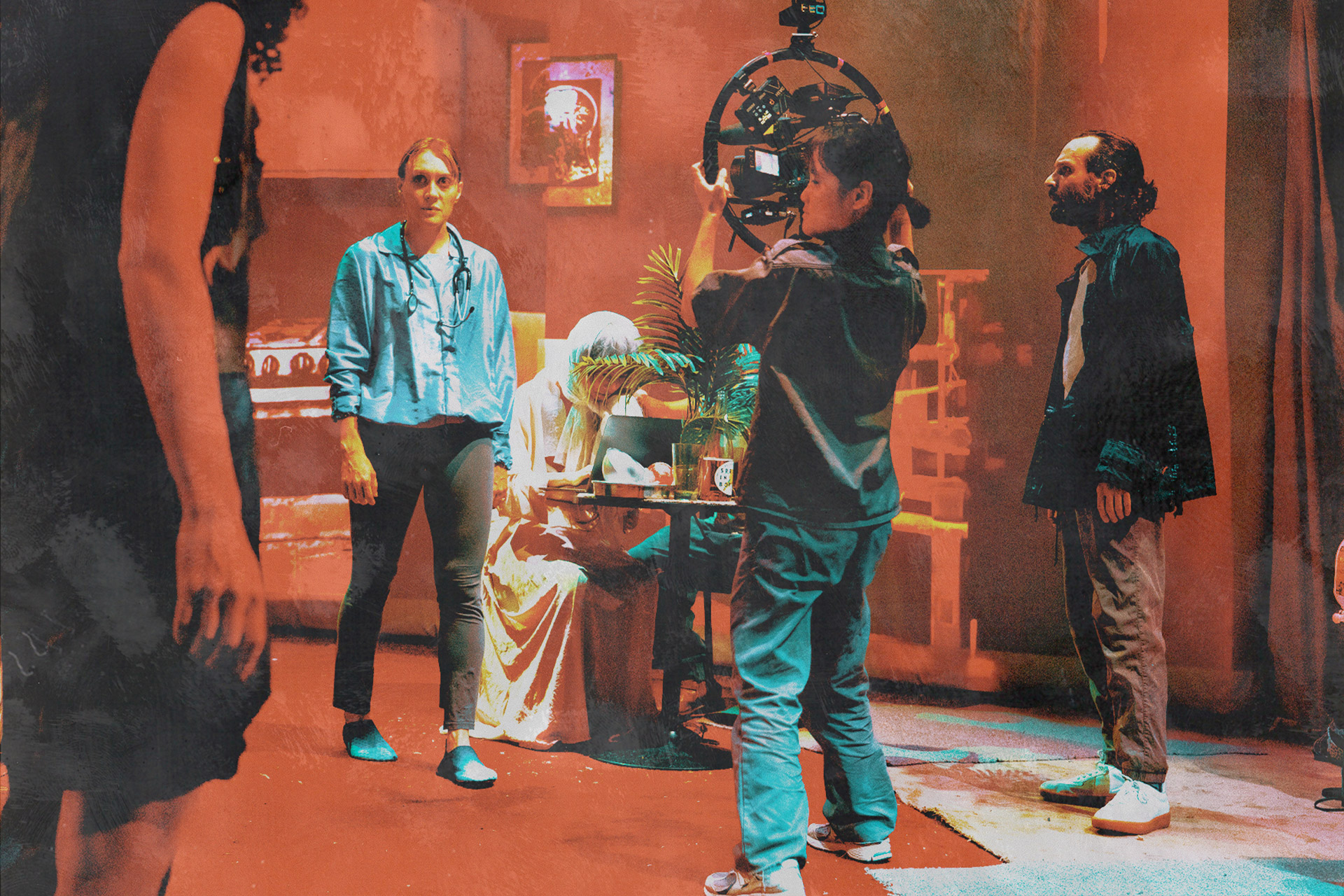
Unfolding like a high-tech action film on the set of a virtual production factoryscape, The Weavers centers a community of textile workers forced to the brink of starvation by the unstoppable acceleration of automation. Think #willAItakemyjob or hashtag how the jacquard hand-loom and its system of punch cards perhaps opened the door to mechanization, computation, and finally a post-creative world in the Information Cascade Age.
Written in the 19th century by German playwright Gerhart Hauptmann as an ensemble-documentary-esque-true-to-life work during the height of the naturalistic movement in theater, The Weavers feels a bit like it could have been written this morning. An ensemble work for seven actors, Scheib’s staging of this piece takes and tunes the tools and potential despair of an automatized world to meaningfully reflect on our own commitments to a topsy-turvy-techno future.
About the play
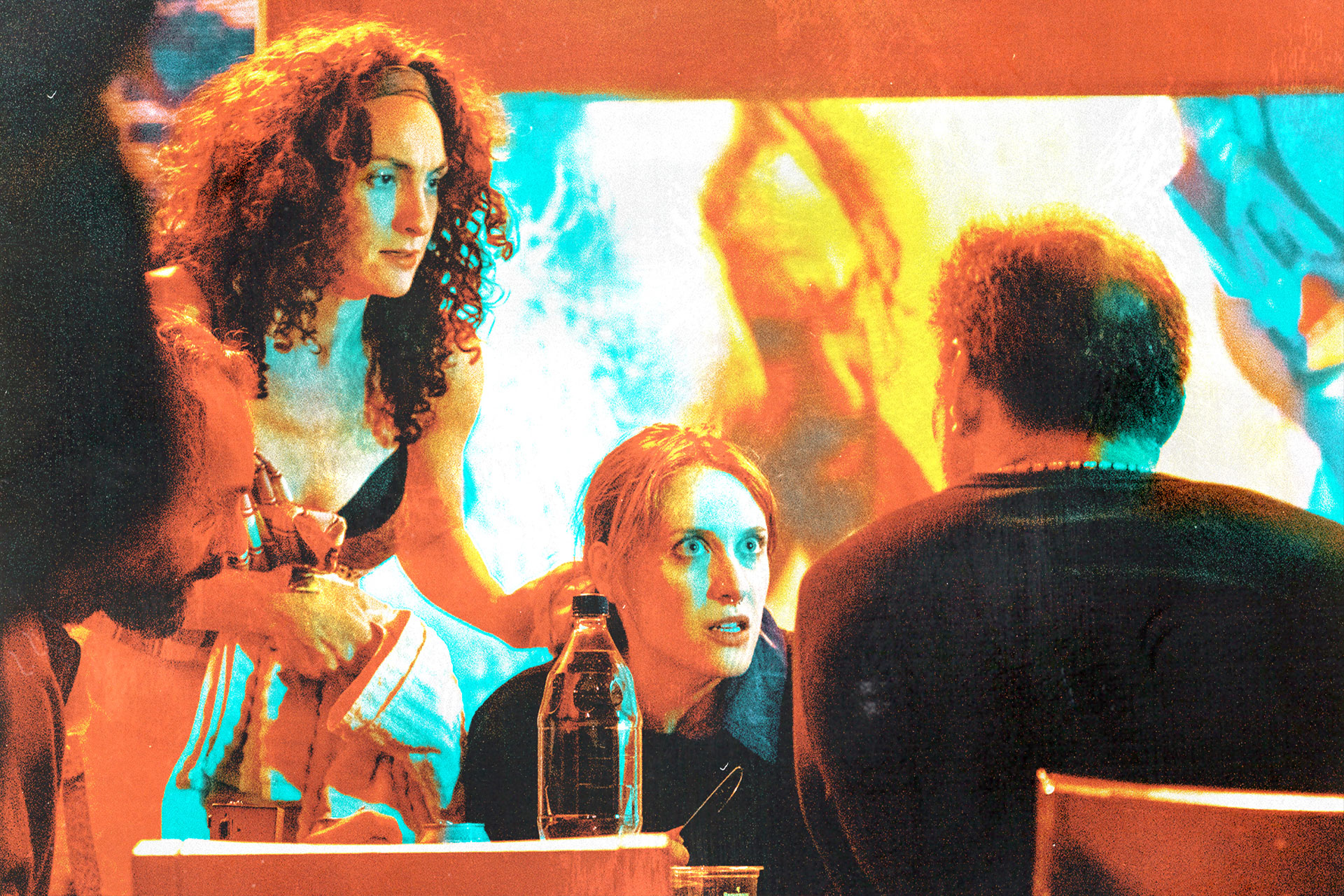
The Weavers portrays a community of textile laborers pushed to the brink of collapse by poverty, wage cuts, and the rapid advance of industrial machinery, robotics, and automation. Actual hunger is the new reality and as it spreads, dignity erodes. In the play, the weavers gather to debate whether to endure their biblically-proportioned suffering or risk collective revolt against the manufacturers who control their lives. No hero emerges as the play unfolds and the force and effect of the pressure as it moves through families, bars, and workshops spares no one. When the protests begin, and protesters are shot, a rebellion erupts—it is chaotic, desperate, and ever unresolved—revealing a terrible inversion of triumph. But the brutal force of a system that renders both submission and resistance insufficient still tragically remains…
About the dramatist
Gerhart Hauptmann (1862–1946) was a German playwright and novelist best known as a leading figure of literary Naturalism in the German-language theater and renowned for bringing working-class life, social injustice, and economic brutality to the stage with unprecedented verisimilitude. His landmark play The Weavers (1892) depicts an exploited labor uprising in a landscape of collective protagonism that shocked audiences of its time and was subsequently banned for its depiction of labor revolt. Born in Silesia, Hauptmann achieved international recognition with Before Sunrise (1889), followed by The Weavers (1892), Lonely Lives (1891), The Beaver Coat (1893), and The Sunken Bell (1896). Awarded the Nobel Prize in Literature in 1912, Hauptmann was a meteoric force in the shaping of contemporary European theater.
Related News
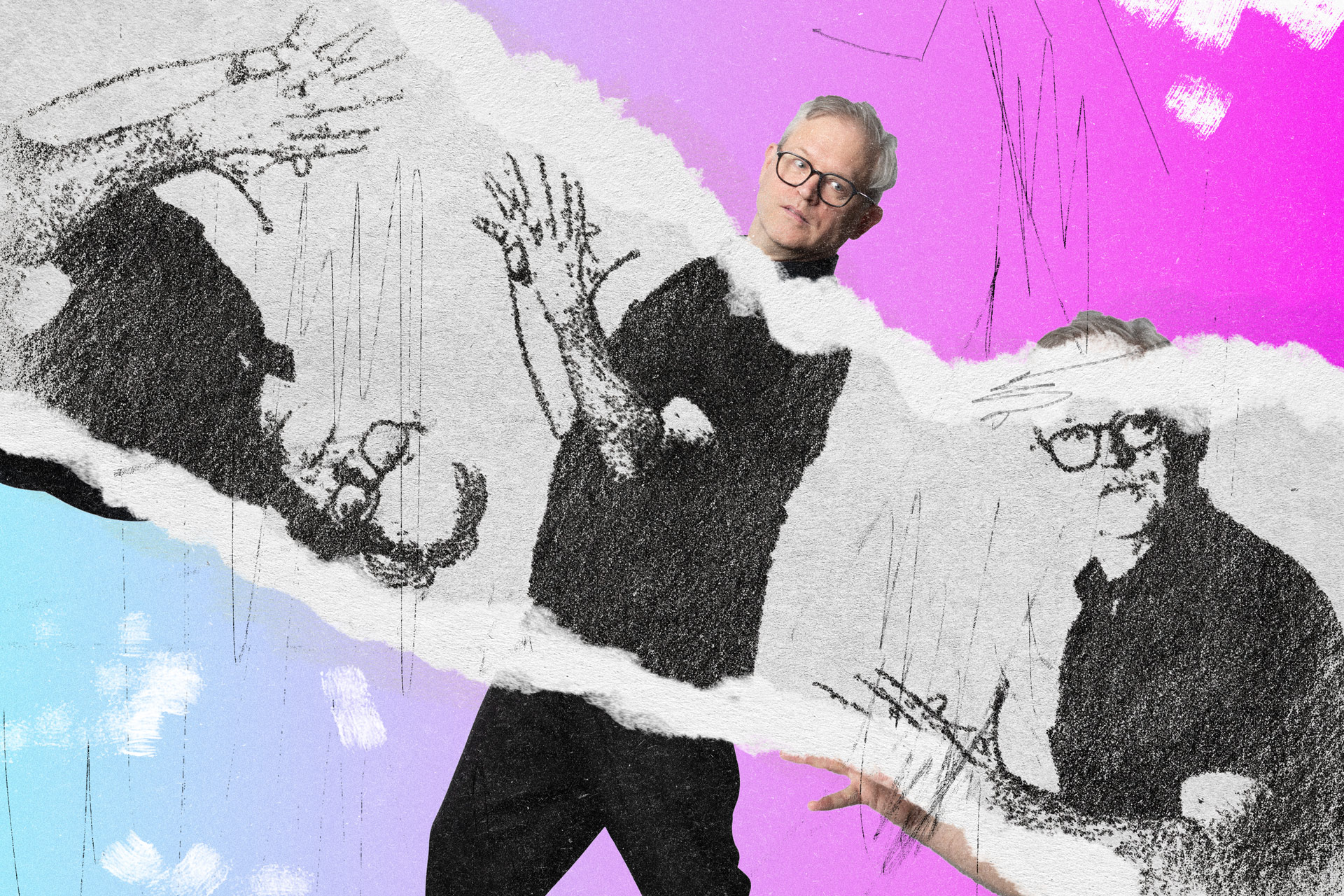
MIT Theater faculty member featured in new book of drawing practices for performance
Class of 1949 Professor of Theater Arts Jay Scheib's drawings included among selection of works by 42 American artists.

Bringing the stage to the classroom
21T.100 (Theater Arts Production) gathers MIT students, faculty, staff, and other professionals to produce feature-length performances.
Related People
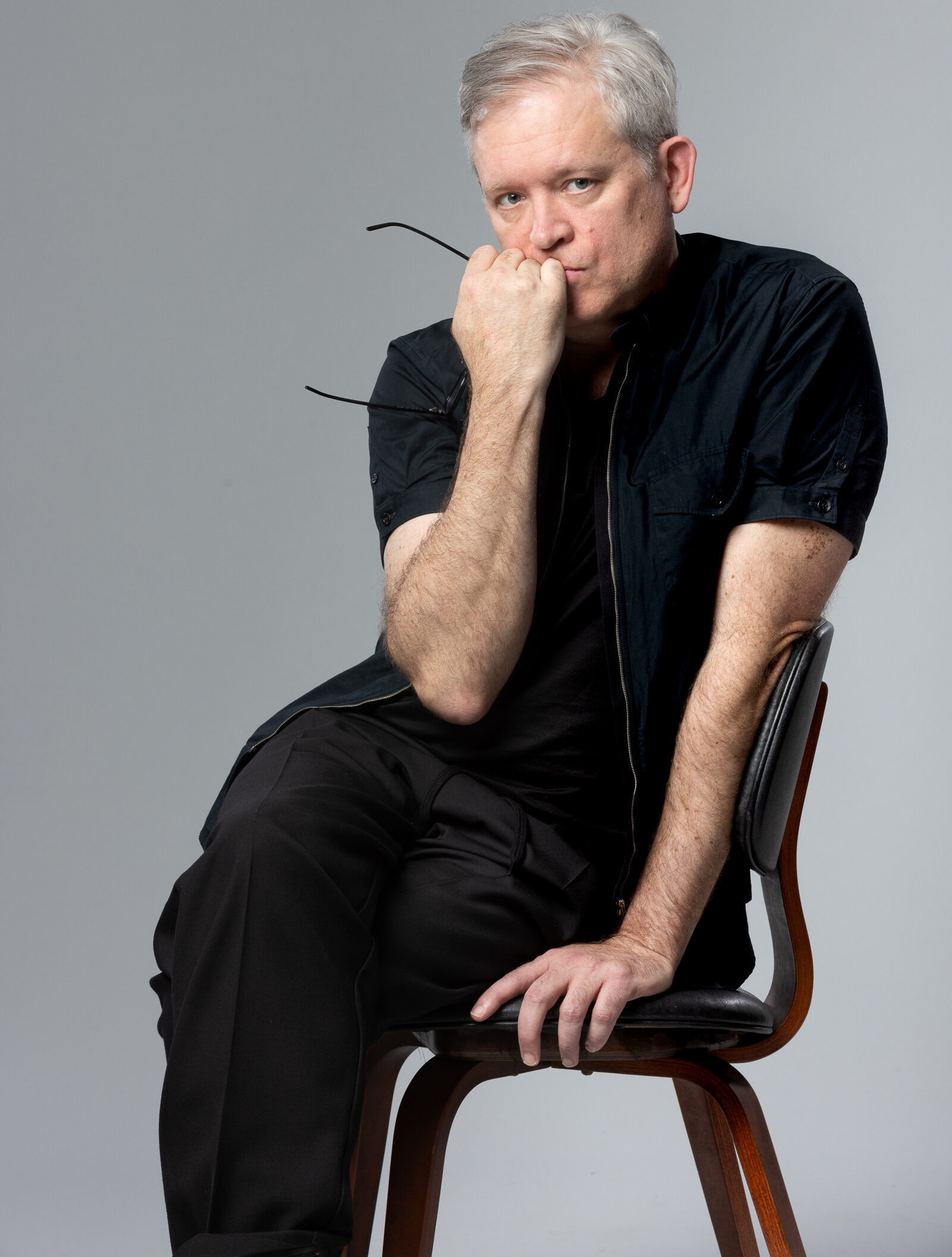
Jay Scheib
Class of 1949 Professor of Theater Arts
Section Head, Music & Theater Arts
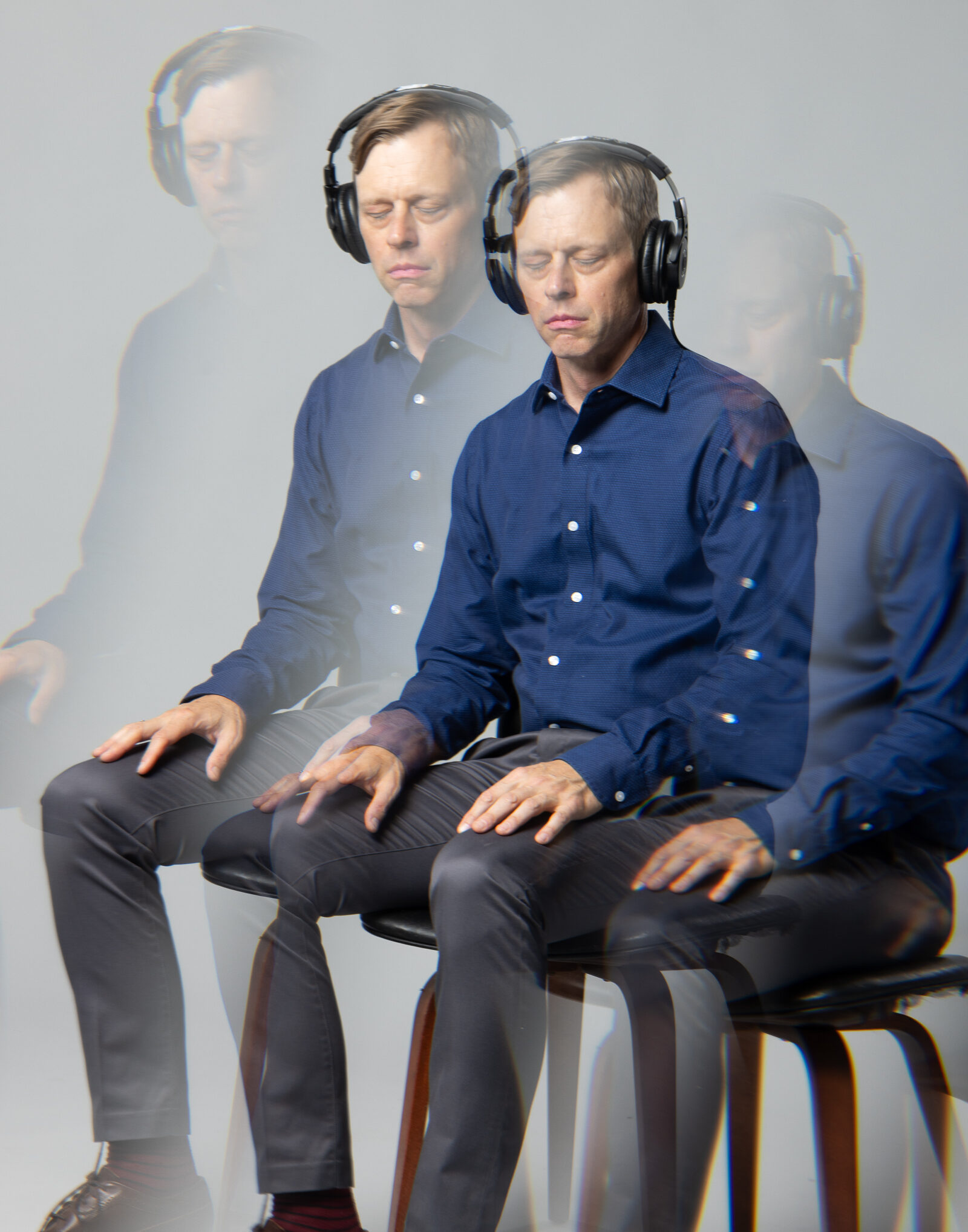
Christian Frederickson
Technical Instructor in Theater Arts
Kevin Fulton
Multimedia Specialist, Lighting
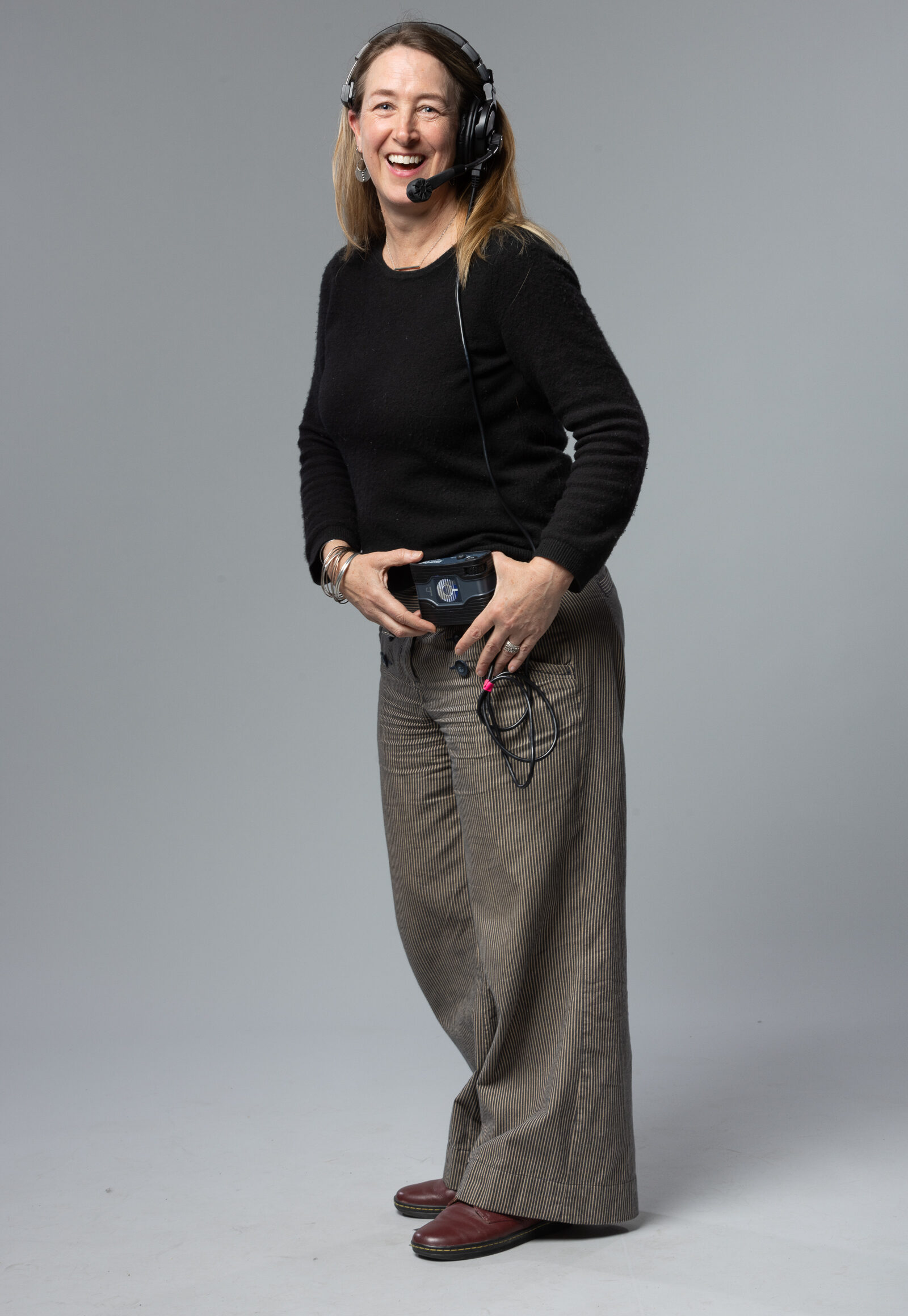
Maggie Moore
Director of Production

Jorge Rubio
Lecturer in Theater Arts
Yi Tu
Senior Administrative Assistant

Joseph Lark-Riley
Technical Production Specialist
Related Research
Related Labs
Performance Scenography Studio
Jay Scheib