


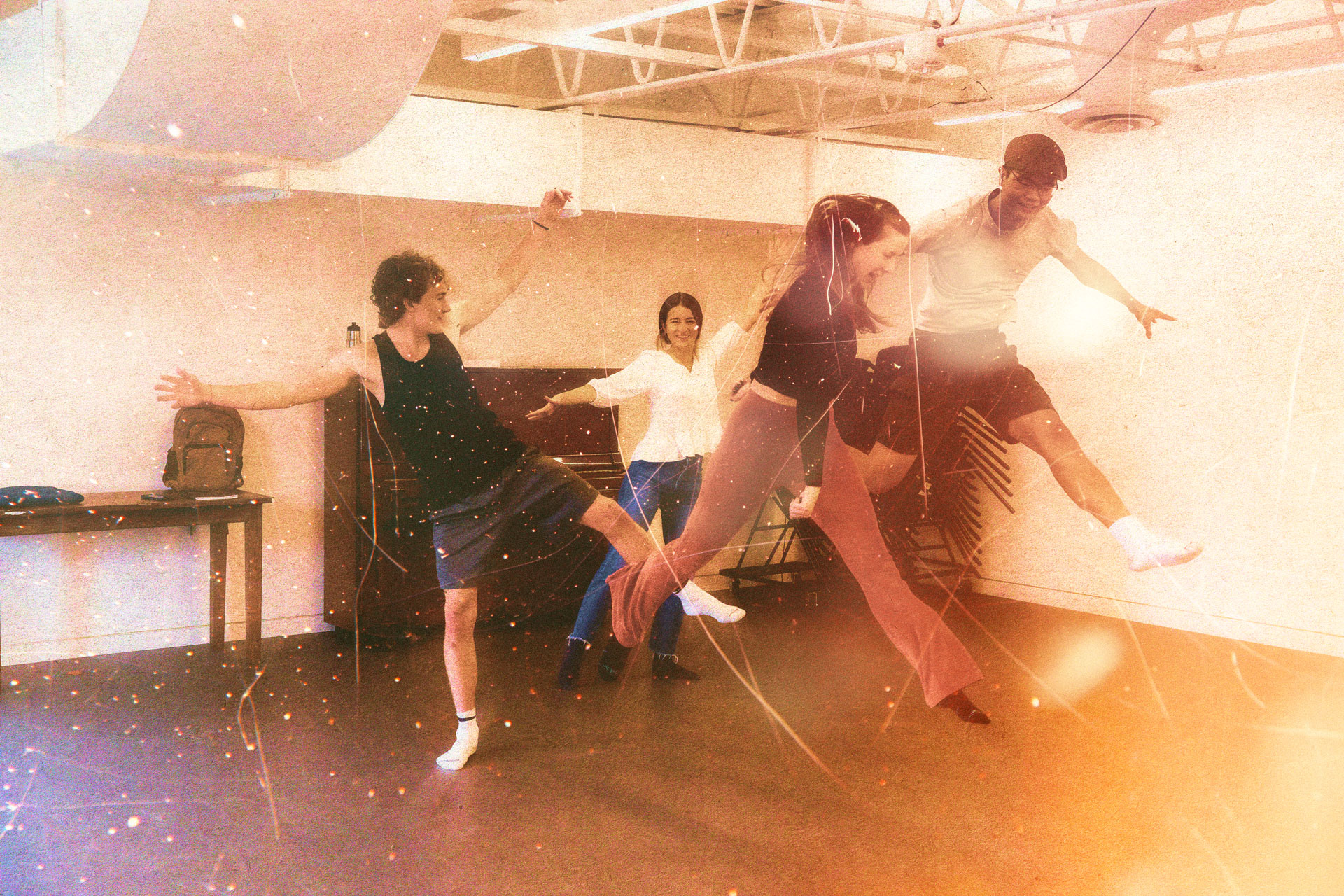
Embodied Practices
Movement, and with Voice
Like all of the focus areas of our program, embodiment is a foundational layer that supports all of the artmaking activities in MIT Theater. Whether we are developing advanced motion capture techniques, teaching cameras to dance, or using generative artificial intelligence to manipulate live video streams, it almost always comes back to the body and its unique expressivity.
Physical expression, physical imagination, and physical action are gateways for creative interrogations of the worlds in which we live. Memory, identity, and history are stored, transmitted, and transformed physically even as ideas erupt into words.
Our subjects in acting, dance, and drawing develop embodied ways of knowing and teach students to draw on physical experience as raw material for artistic expression.
Introduction to Acting explores the actor’s instincts in body, voice, imagination, language, and action. A character’s motivation is always expressed physically and through these physical actions, emotion blooms. In Physical Improvisation: Bodies in Motion and Talking and Dancing, taught by Dan Safer and Janessa Clark, the expressive realities of the body are extended, and the spatial characteristics of a composition are explored. Gravity, momentum, positive and negative space, and the line between dance and theater and music theater is forever blurred—generating text from movement and movement from text.
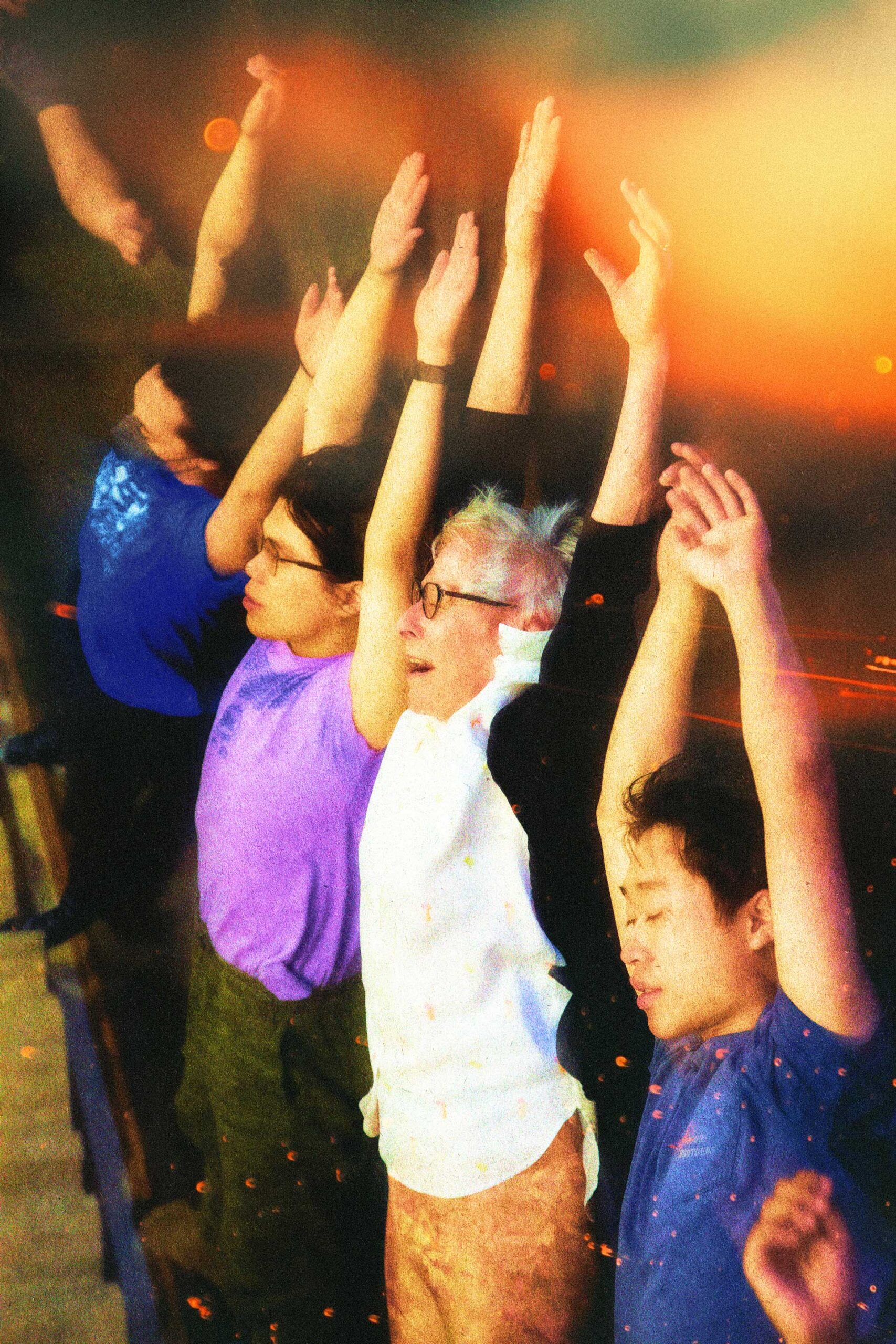
Voice and Speech for the Actor, taught by renowned Linklater voice specialist, Keely Eastley, frees the natural voice first as a human instrument before it becomes the springboard for an actor’s leap. Students train, develop, and build capacity for breath and release sometimes long-held habits that sometimes keep people from being heard.
Drawing for Designers, too, engages a physical encounter between eye, hand, and paper, sharpening the observational acuity that every embodied practice depends on. We learn to see more, notice more, and sense more.
Felt, carried, and moved: the body is the real work—an instrument of awareness within which every other discipline might better tune itself.
Related Subjects
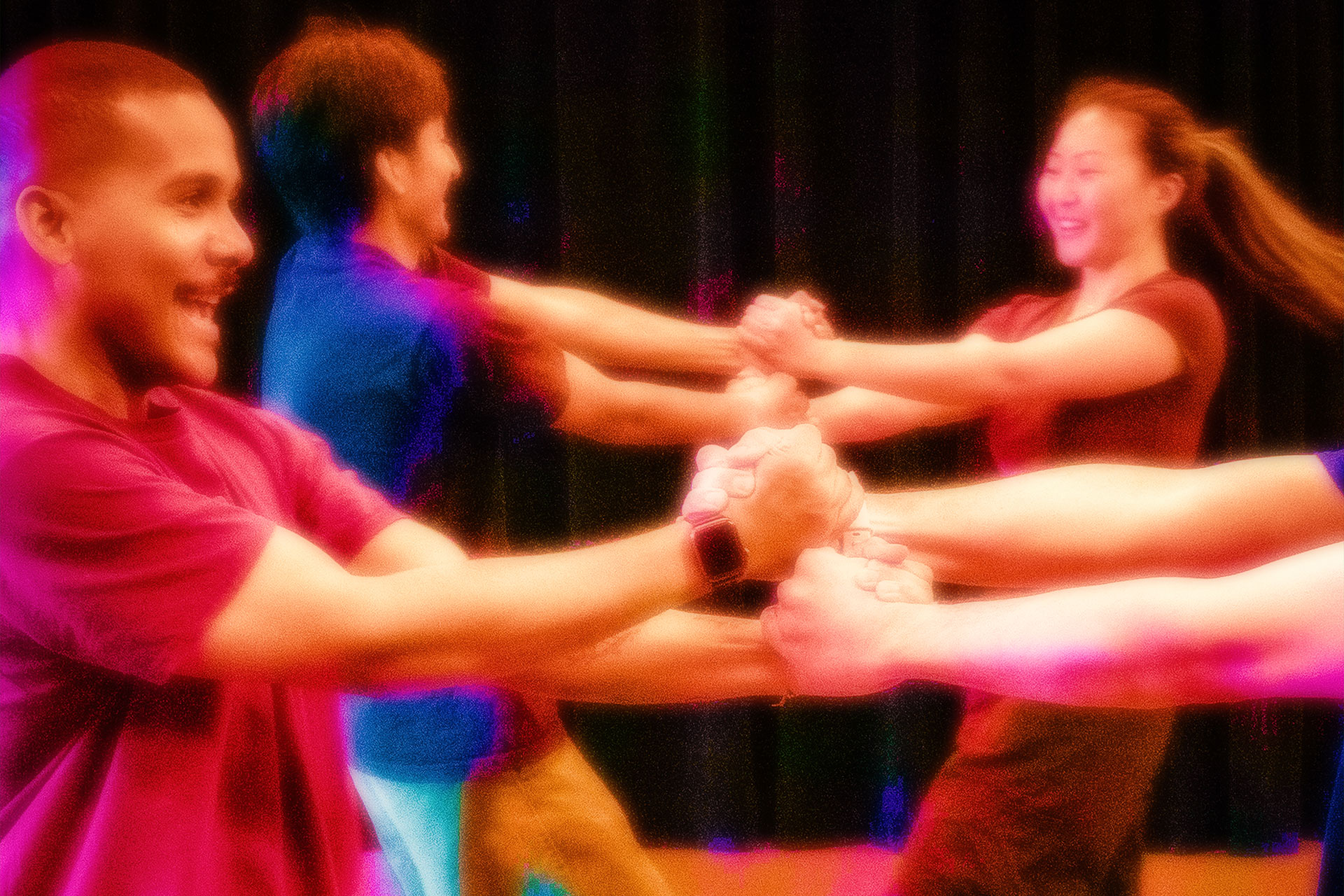
Acting Styles
21T.301 / 21T.501
Related Faculty
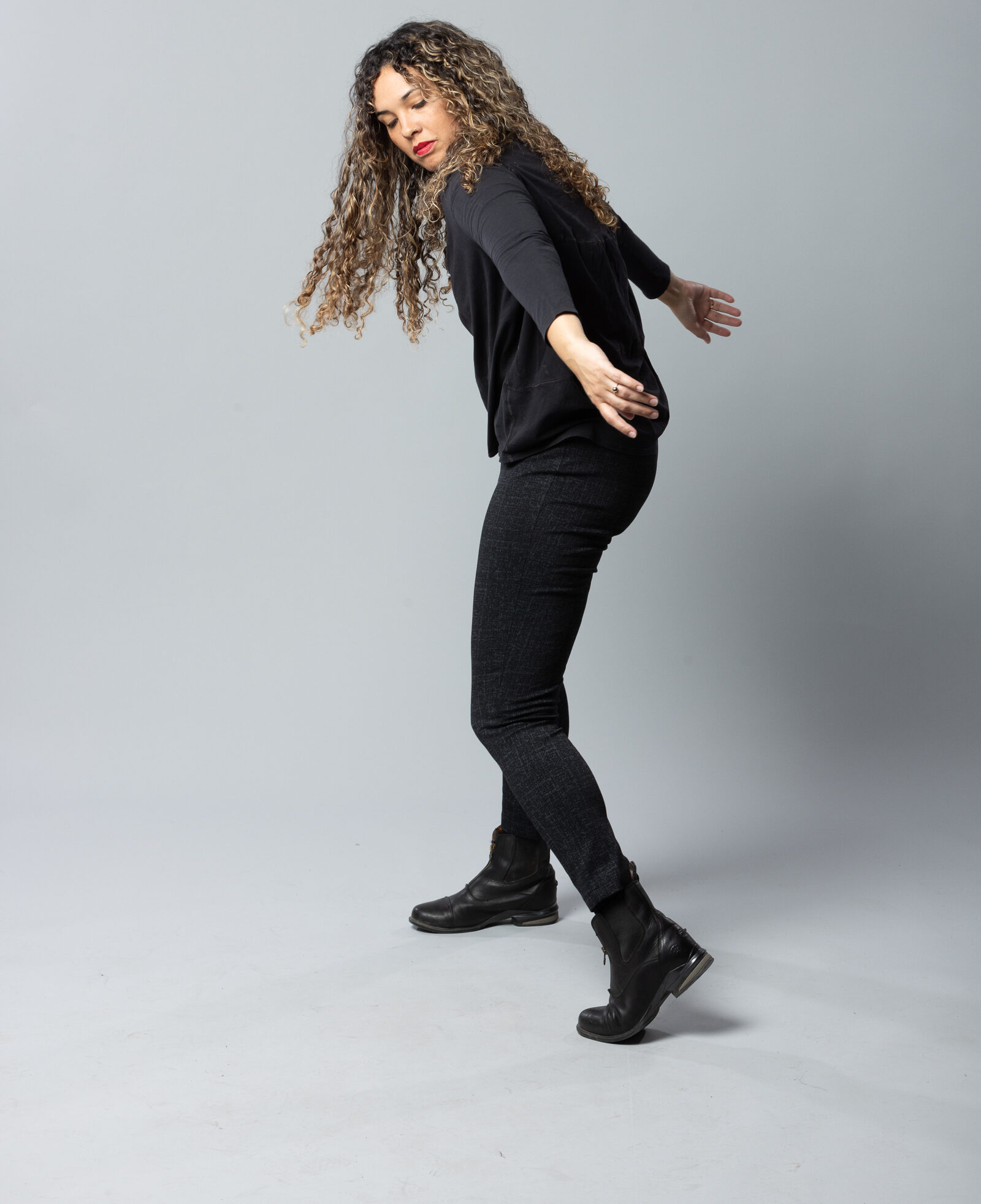
Janessa Clark
Lecturer in Theater Arts

Grisha Coleman
Professor of Theater Arts
Blythe de Oliveira Foster
Lecturer in Theater Arts
Director of Performance Programs
Keely Eastley
Lecturer in Theater Arts
Maria DeSimone
Lecturer in Theater Arts
Daniel Irizarry
Lecturer in Theater Arts
Sharon A. Lacey
Lecturer in Theater Arts
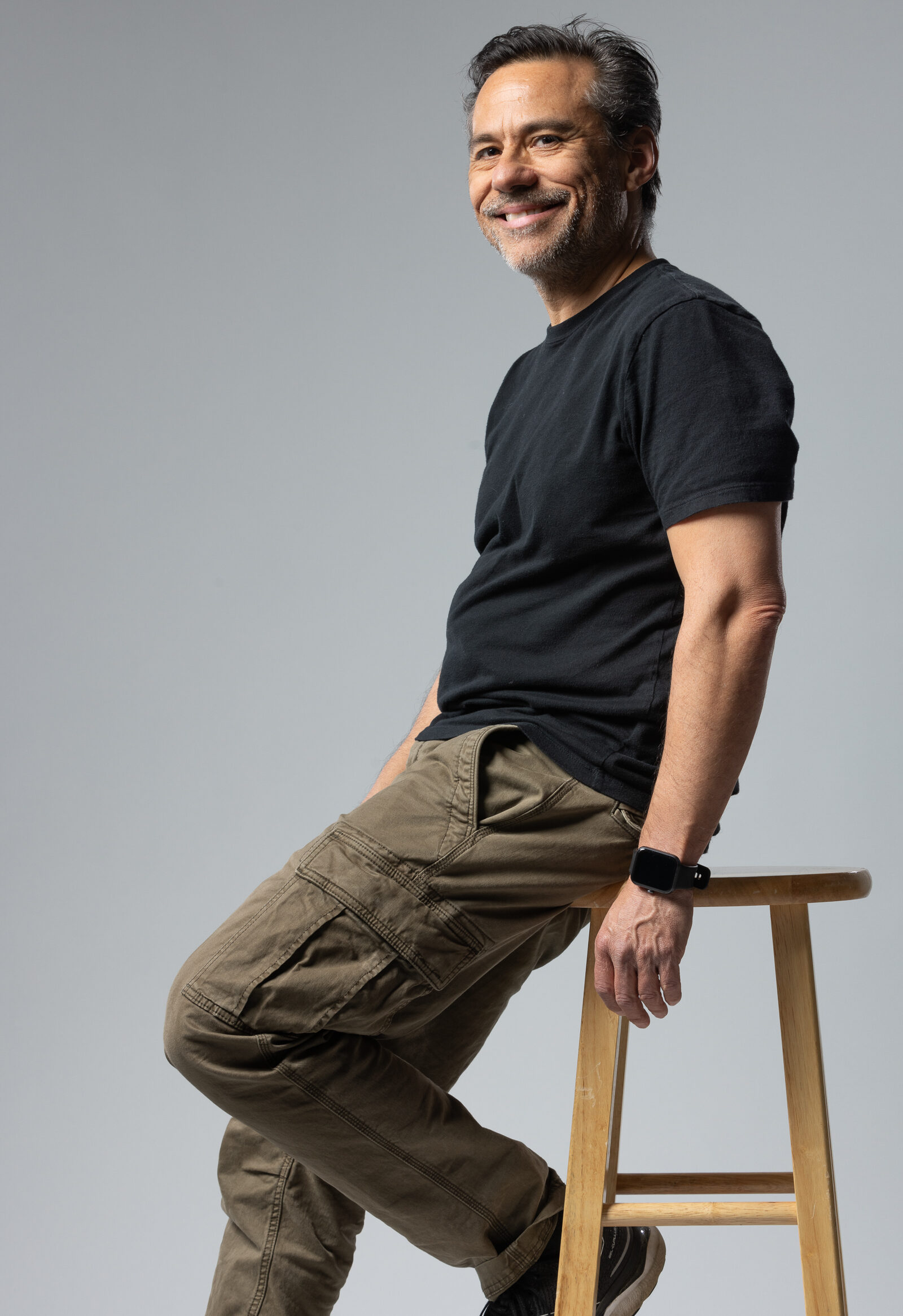
Jorge Rubio
Lecturer in Theater Arts
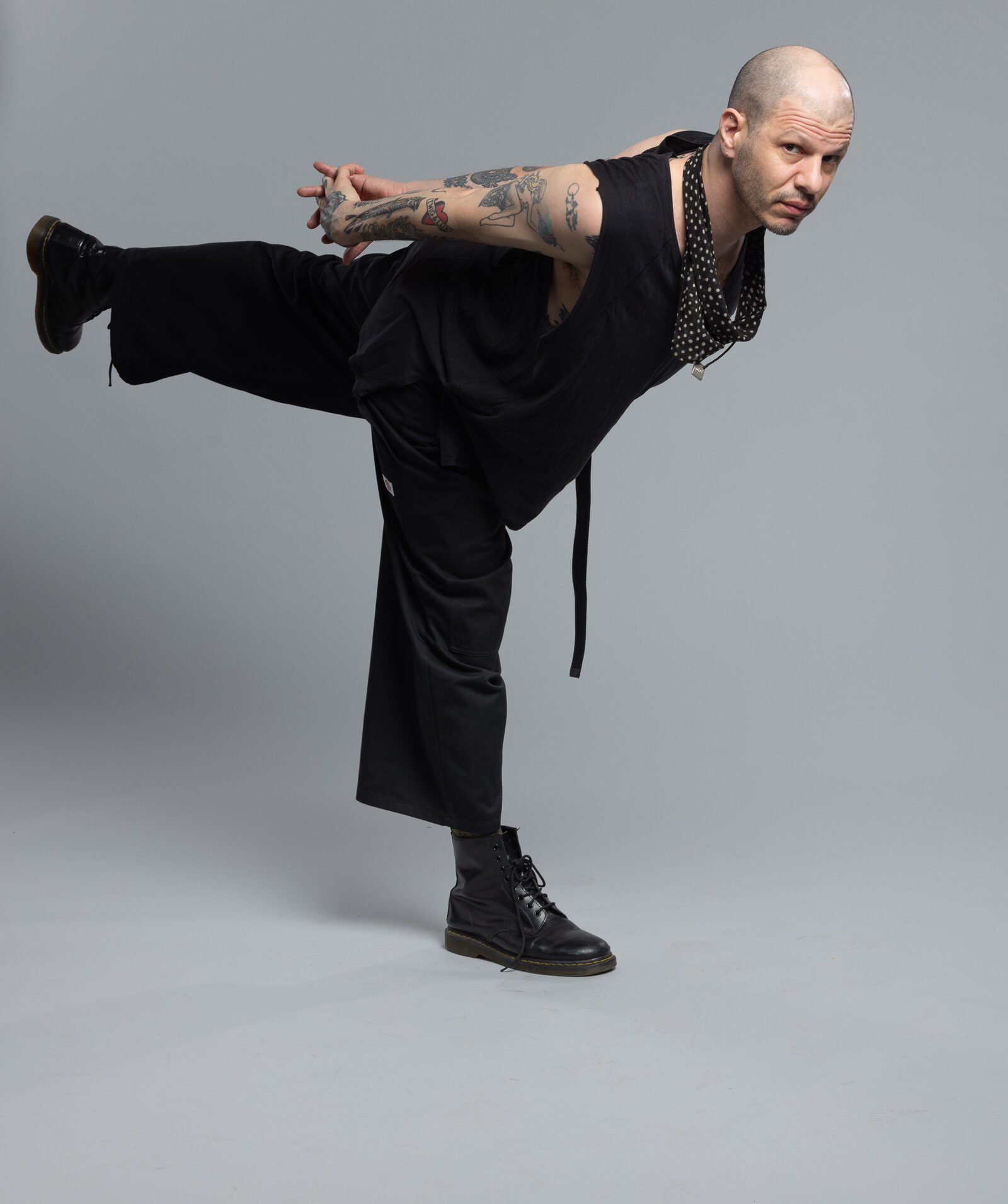
Dan Safer
Senior Lecturer in Theater Arts
Director of Dance Programs
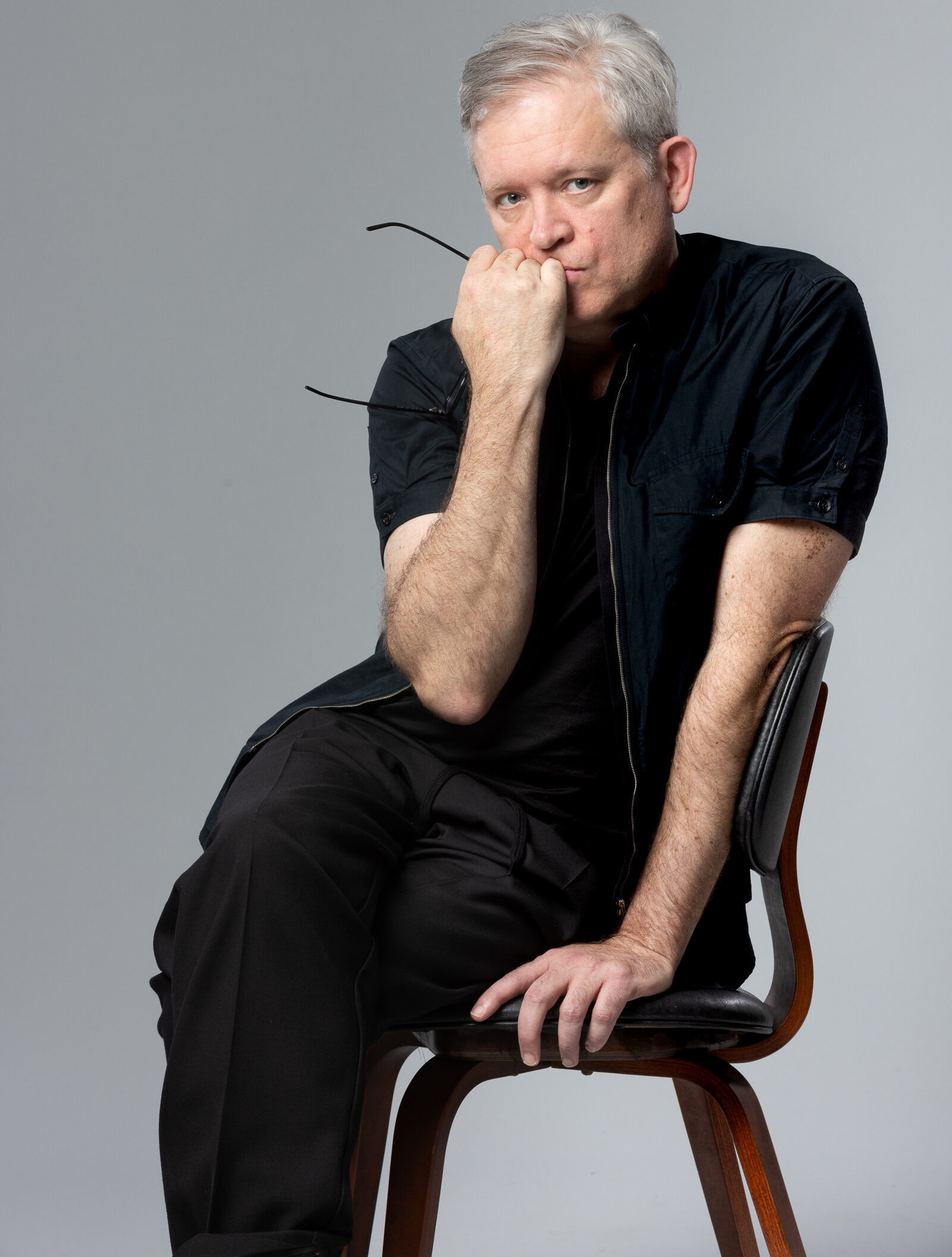
Jay Scheib
Class of 1949 Professor of Theater Arts
Section Head, Music & Theater Arts



Related News
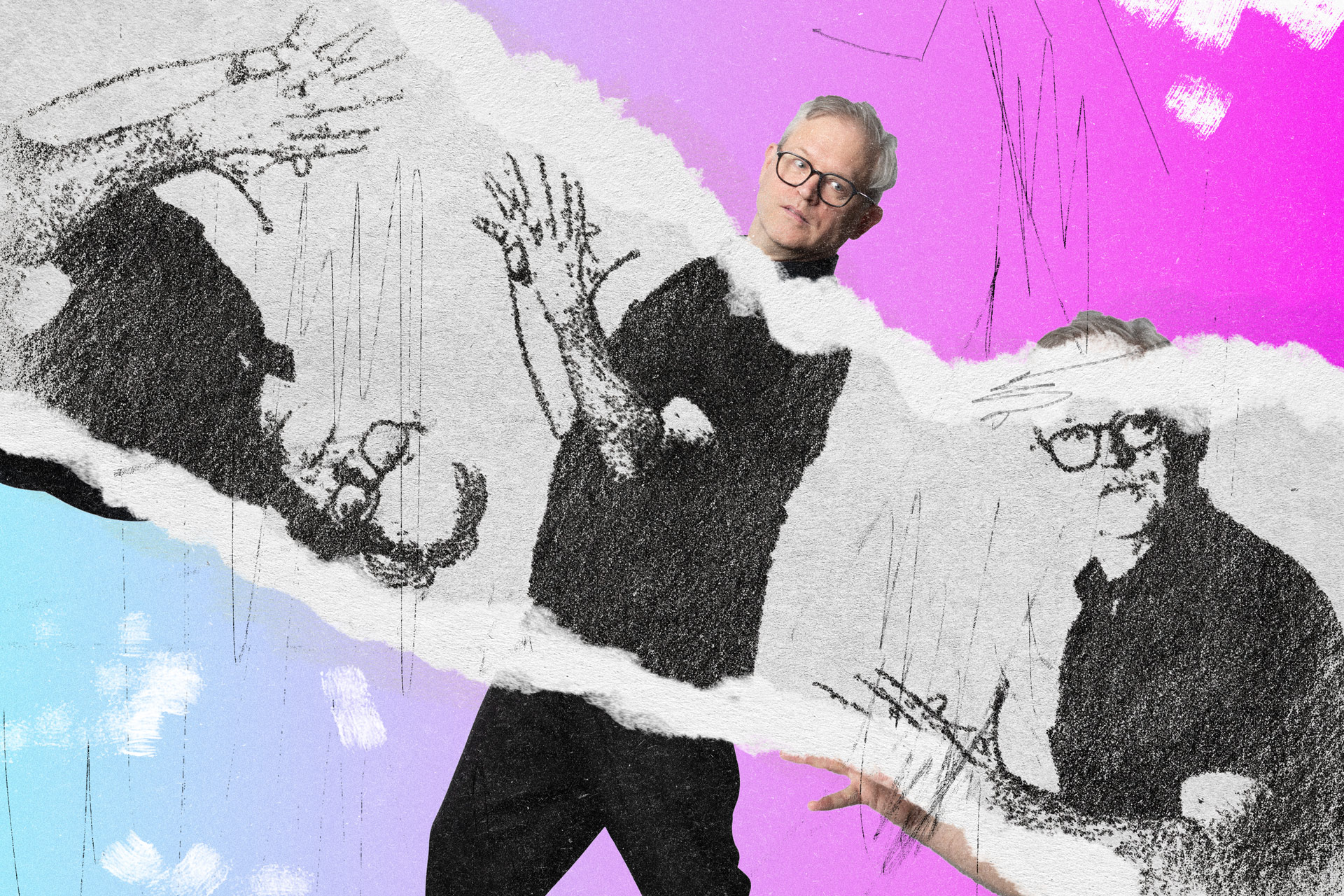
MIT Theater faculty member featured in new book of drawing practices for performance
Class of 1949 Professor of Theater Arts Jay Scheib’s drawings included among selection of works by 42 American artists.

School of Humanities, Arts, and Social Sciences welcomes six new faculty for 2026
Professor Grisha Coleman joins MIT Music & Theater Arts.

How cult 90s band Rachel’s took chamber music out of the classical world
MIT Theater’s Christian Frederickson reflects on earlier life in successful alternative rock act.