


Design
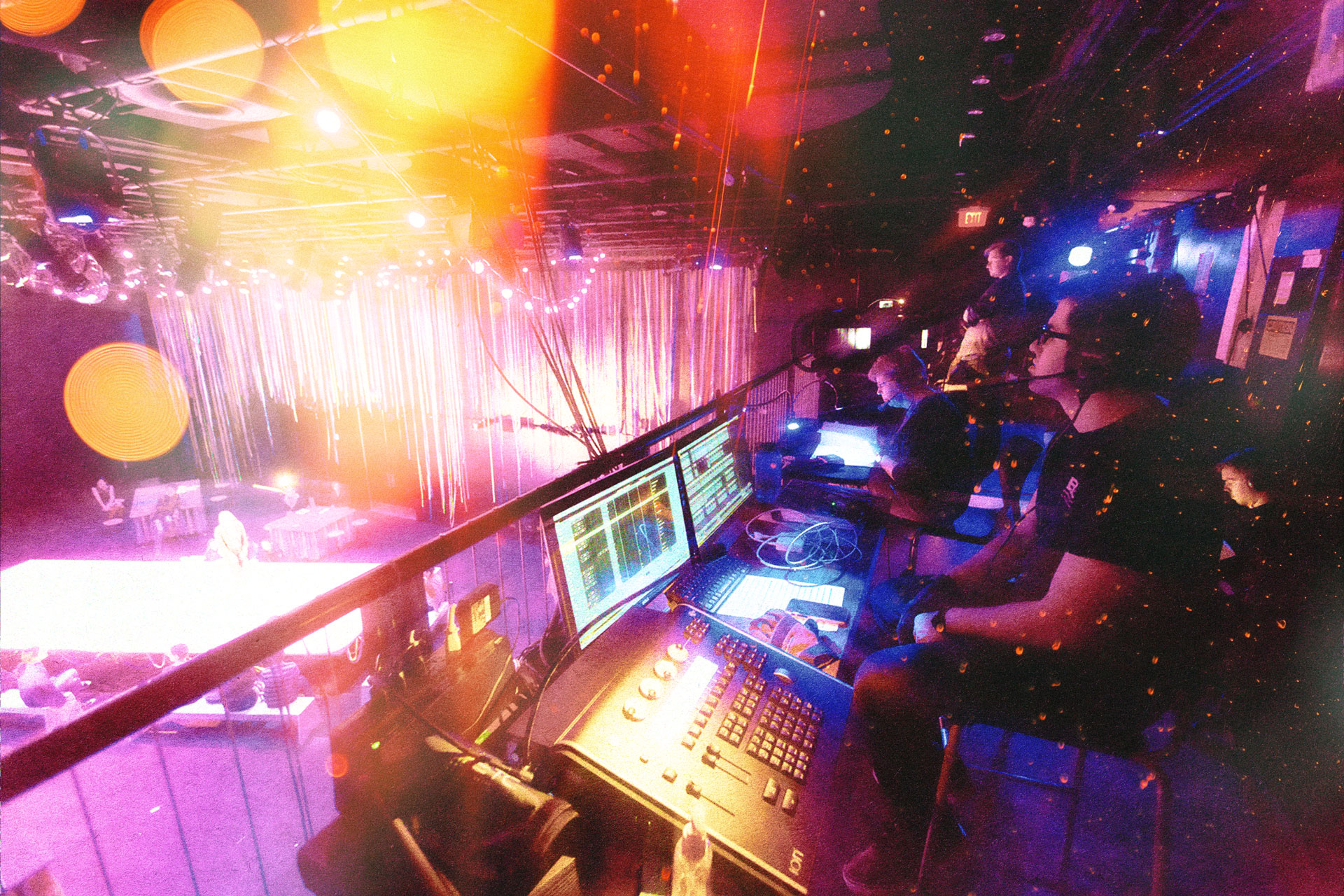
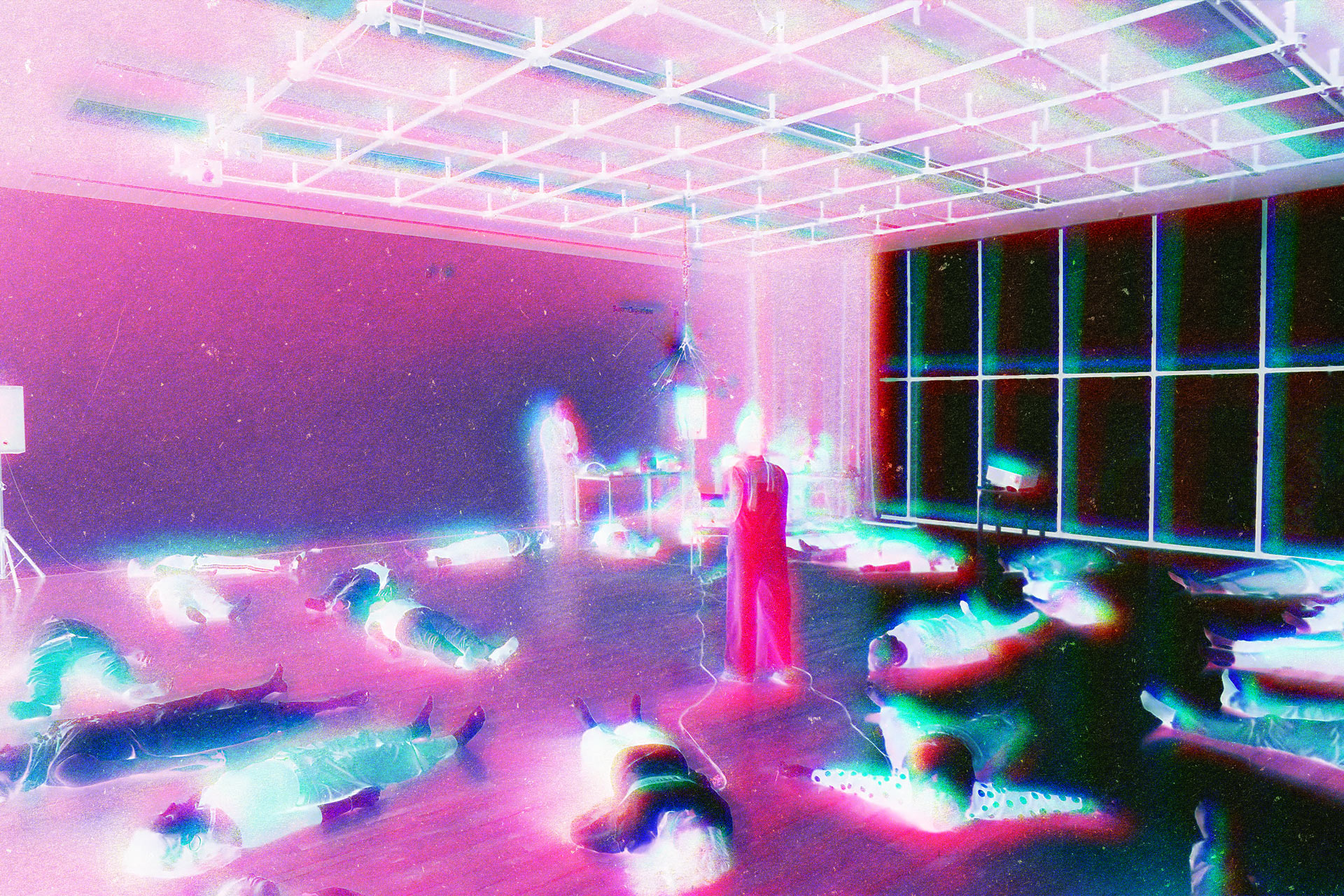
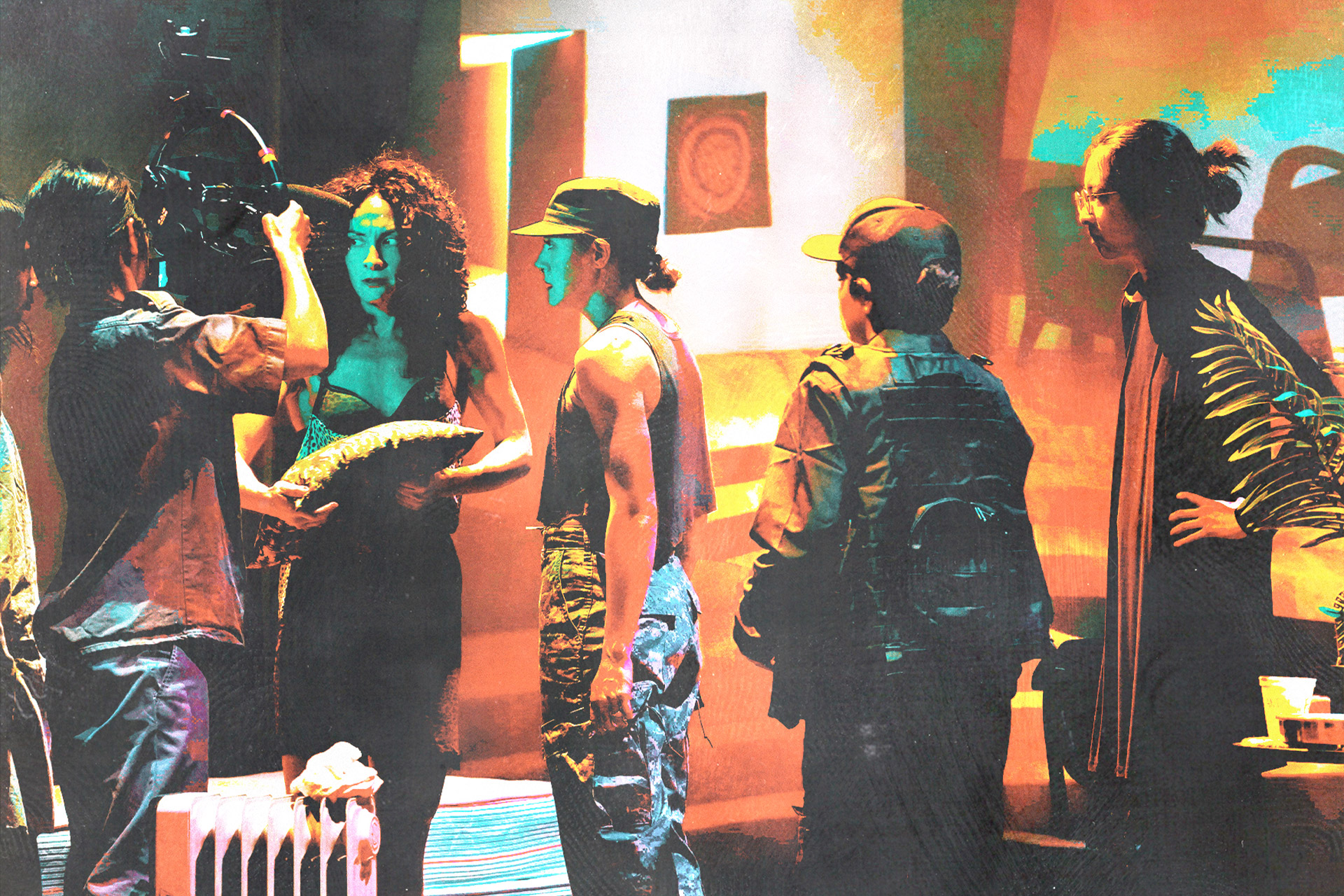
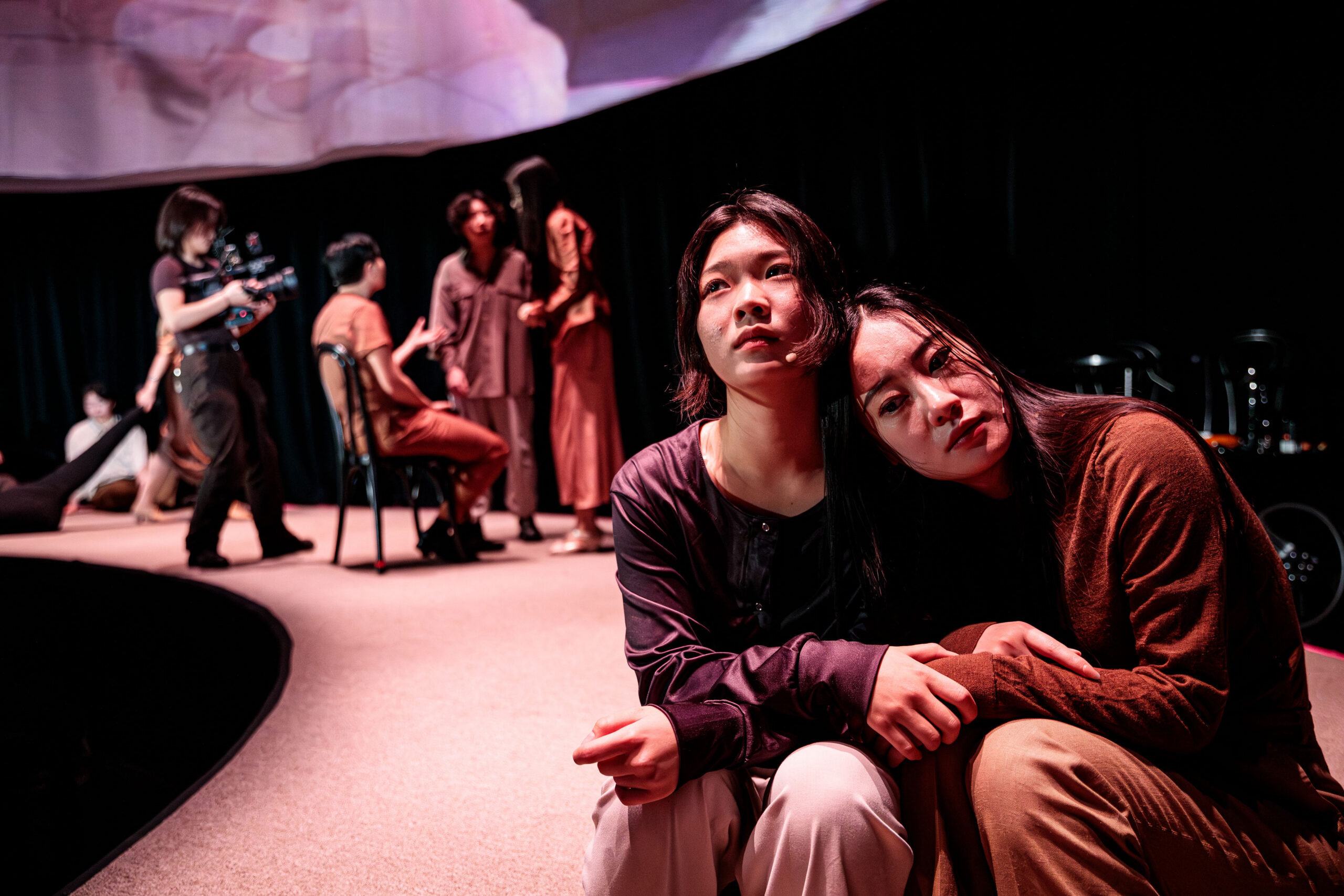
In MIT Theater, our approach to design views the site of performance as a holistic theatrical machine. We use existing architecture, digital twins, spatially-aware digital content, and the intersections of digital and physical locations all as one dramaturgical instrument to create an immersive experience for an audience. Doing this moves spectators from passive observers to co-authors inside spatial, narrative, and sensory systems.
MIT Theater classes and creative projects adopt the widest possible range of available tools and train students to be adept at choosing which one will be the most useful for a given result. This could include everything from simple drawing tools to the most sophisticated game-engine software. For example, we might borrow strategies from video game design to previsualize complicated stage and lighting arrangements that will be developed in actual space. Similarly, we might use motion capture technologies to bring more naturalized and spontaneous movement to digital assets that can be used in live performance.
By blending liveness with computation through the use of game engines, motion capture, sensor data, computer vision, and networked media we are able to expand scenography without losing the ephemerality of a live performance. Data gathered in real time from performers and audience create an environment that responds instantaneously to movements, actions, and evolving storytelling without breaking the legibility of a performance. In fostering a fluid relationship between digital and physical media, Theater at MIT encourages students to operate in an evermore digitally entangled world.

Subects to consider
21T.223: Sound Design
Introduces the elements of a sound designer’s work, such as music and sound effects—which inform and make stage action plausible—to sound system design and placement and the use of microphones. Discusses how effective sound design enhances live performance by clarifying storytelling, heightening emotional experience, and making words and music legible to an audience. Provides students with the tools to continue practicing and appreciating the art regardless of their professional ambitions.
21T.001: Fundamentals of Theater Technology
Explores the tools, techniques, and technologies that bring live performances to life. Through practical exercises, guest speakers, and field trips, provides a behind-the-scenes look at the different areas of stage production including carpentry, lighting, sound, video, rigging, and stage management. Explores stagecraft in action by touring local theaters and scene shops and attending the department’s student production as well as at least one professional production in the Boston area. All tickets are provided at no additional cost.
Related Subjects

Beowulf: The Fall 2026 Theater Arts Production
21T.100 / 21T.500

Interactive Design for Live Performance
21T.320 / 21T.520
Related Faculty

Sara Brown
Associate Professor of Theater Arts
Associate Head, Theater Arts Program

Grisha Coleman
Professor of Theater Arts
Christian Frederickson
Technical Instructor in Theater Arts

Joshua Higgason
Professor of the Practice of Theater Arts
Chelsea Kerl
Lecturer in Theater Arts
Jay Scheib
Class of 1949 Professor of Theater Arts
Section Head, Music & Theater Arts


Related News
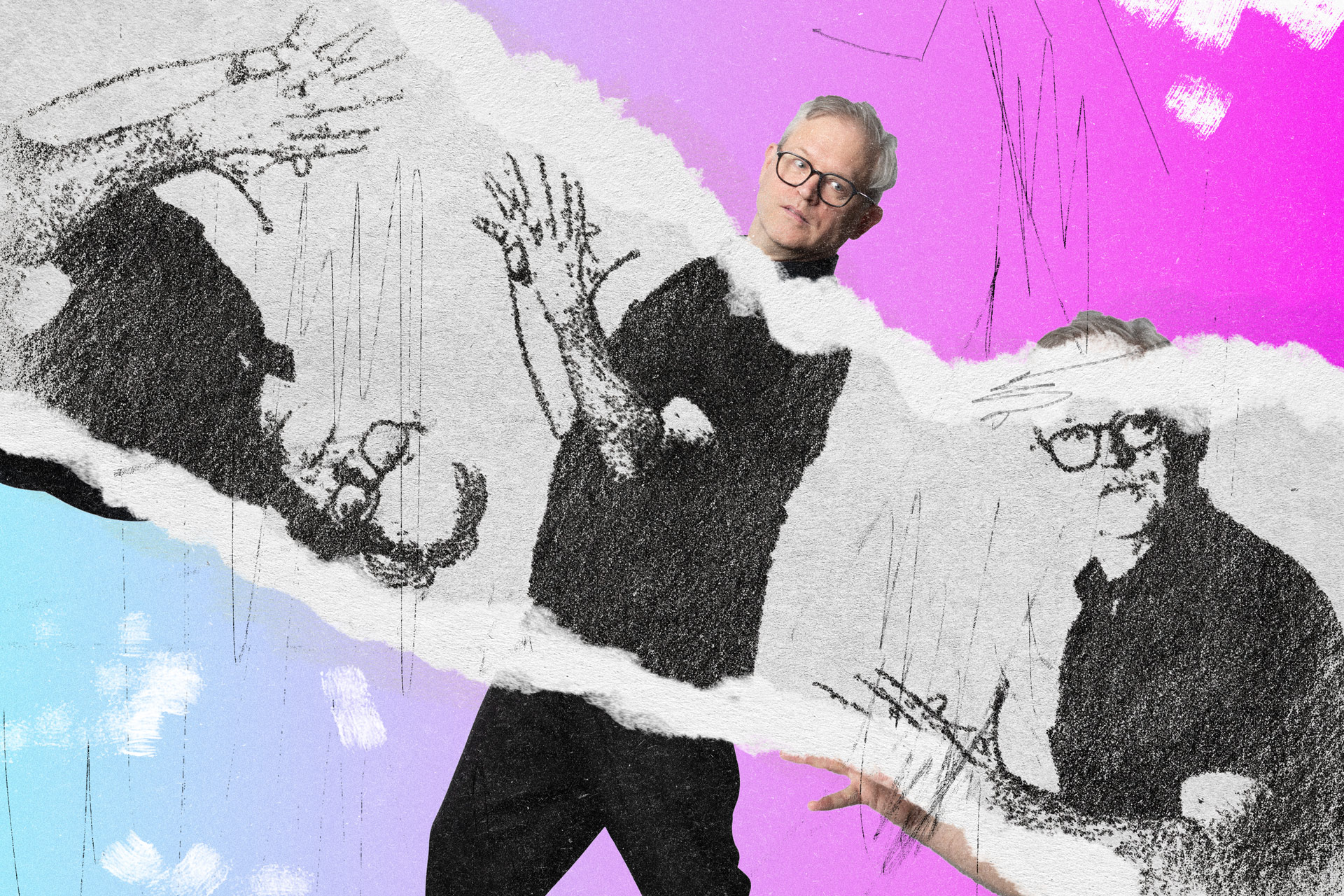
MIT Theater faculty member featured in new book of drawing practices for performance
Class of 1949 Professor of Theater Arts Jay Scheib’s drawings included among selection of works by 42 American artists.

One stage at a time
Associate Professor Sara Brown, an accomplished theater set designer, teaches MIT students to create and think visually.
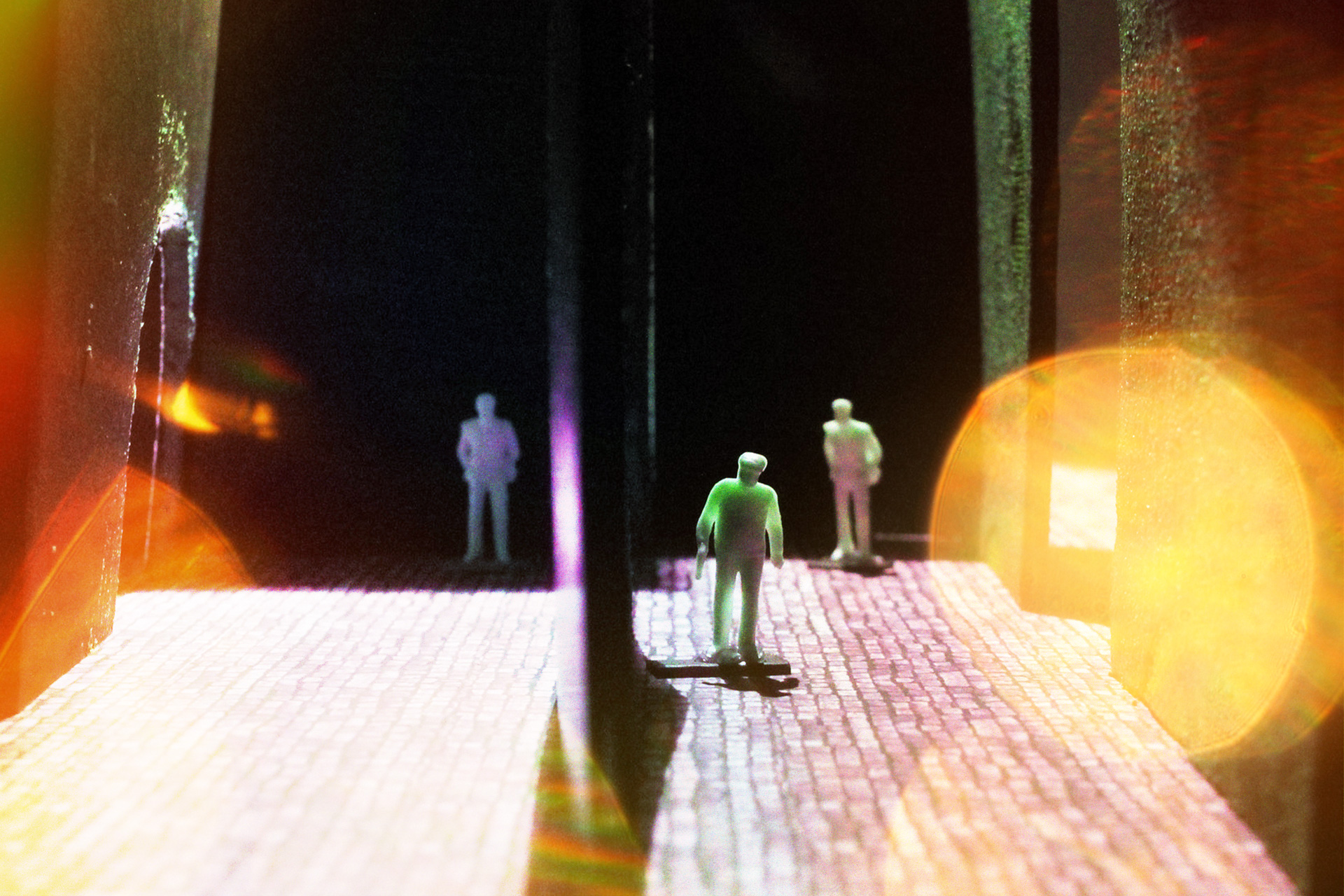
MIT Theater students learn design through the power of play
Under the guidance of MIT Theater faculty such as Sara Brown and Christian Frederickson, students are invited to draw upon their personal experiences to create evocative designs.