


Creative Placekeeping
Dramaturgies of Belonging: Creative Producing and Cultural Production for Futures Past, Present, and Beyond
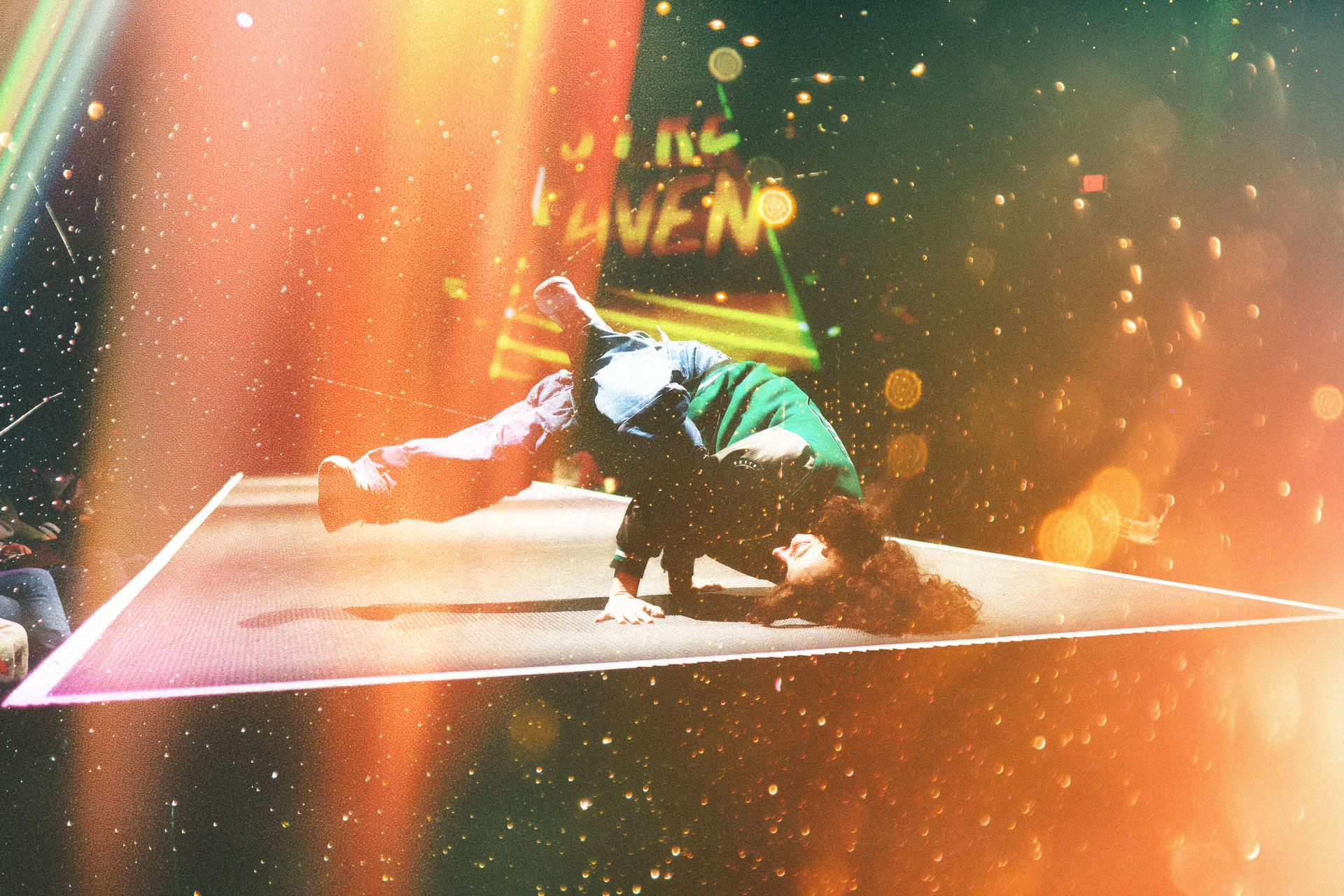
Convening audiences to share emerging approaches to performance unleashes a world of sometimes unexpected inspiration and potential. Playing a valued role in the cultural and civic life of our community may be our highest calling. How we express care for our community takes many forms from the subjects we offer to the lectures, discussions, shared meals, events, and exhibitions that we program.
Creative Placekeeping begins from the premise that no “place” exists in a vacuum. Place is always already rich with culture, memory, aspiration, joy, and sometimes grief. Our task as artists is to see more, notice more, and sustain what is already there while rehearsing the dreams of better and better futures. Working with classical and contemporary texts from around the world, we hope to send the message that relationships, identity, and belonging should be cared for; that everyone should have a voice and be invited to participate. What emerges is a “dramaturgy of belonging” that treats cultural production as inherently intentional. Neutrality may not truly exist but the honest alternative is an approach to critical production that is willing to dig and ask big questions.
We ask who performs, what, for whom, and why—questions that now extend urgently to some of our newest generative tools. When a project trains a generative system on a performer’s likeness or captures motion for a reactive installation, this practice asks whose labor and images are used, how identity remains intact, and how consent and reciprocity shape the work. Bodies, machines, and place form one interdependent system: a camera does not simply record a neighborhood, nor does a set simply occupy a site—each act enters a web of relationships, and either deepens or extracts from it.
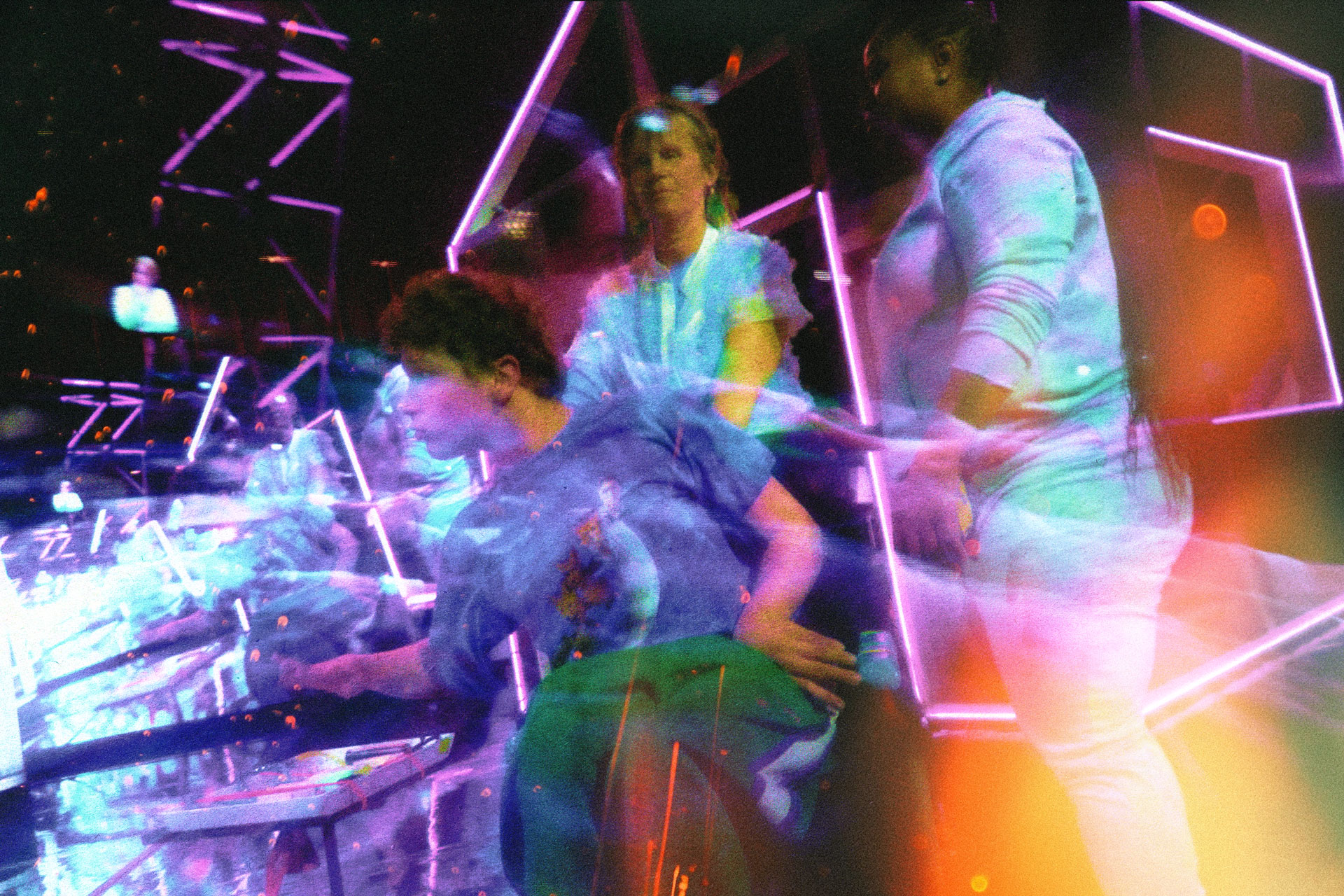
Creative Placekeeping shows up across our curriculum and event offerings. In Professor Grisha Coleman’s What Are We Building?: Culture, Methods, and Alternative Visions to Sociotechnical Futures, students interrogate sociotechnical systems—surveillance, environmental harm, policing, and labor—and address these ideas through development of original creative work. Blythe de Oliveira Foster’s Saudades transformed the Building W97 exhibition space into a kind of interactive “memory-house” for her grandmother, but was open to anyone’s grief. Professor Sara Brown’s scenic painting project paired MIT students with incarcerated residents of the Suffolk County House of Correction in the development of a collaborative painted mural. We encourage you to continue the conversation with us.
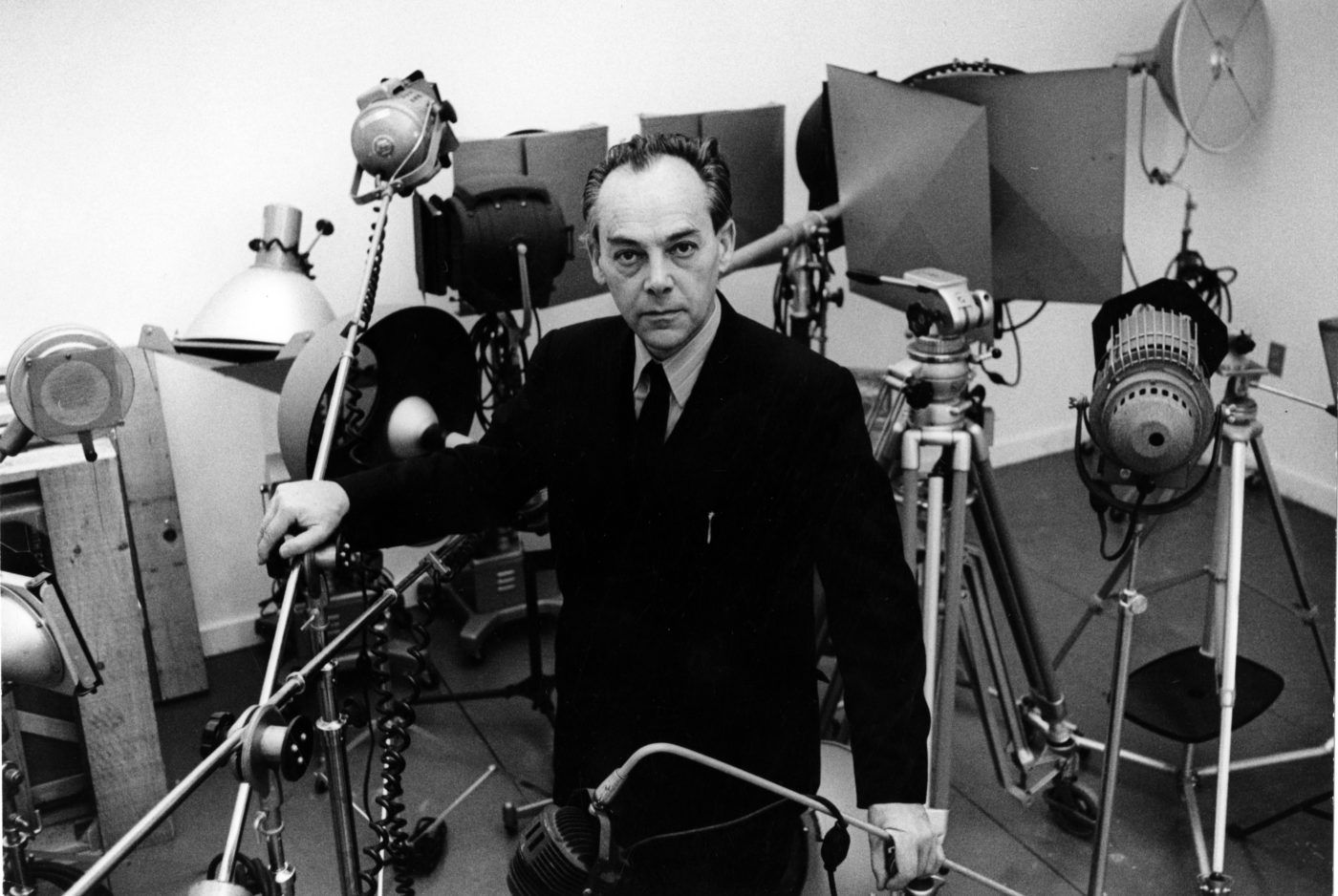
The most convincing artistic forms of our time are inner models of structural vitality and social relevance. They give us confidence that in spite of everything there is still quality to life.
György Kepes
Founder of the Center for Advanced Visual Studies (CAVS) at MIT
Related Subjects

Related Faculty

Grisha Coleman
Professor of Theater Arts
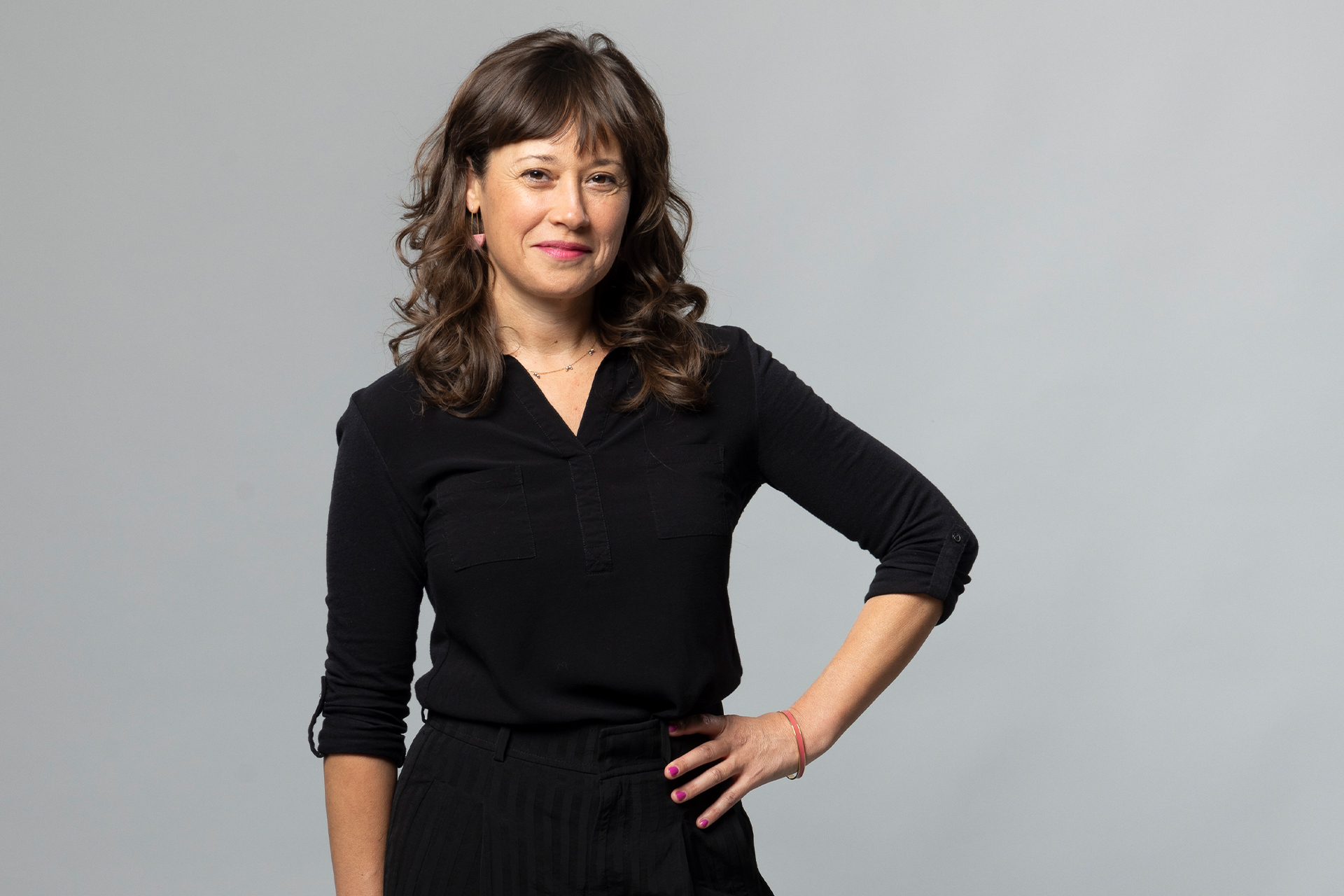
Blythe de Oliveira Foster
Lecturer in Theater Arts
Director of Performance Programs
Sharon A. Lacey
Lecturer in Theater Arts
Jay Scheib
Class of 1949 Professor of Theater Arts
Section Head, Music & Theater Arts

Related News

School of Humanities, Arts, and Social Sciences welcomes six new faculty for 2026
Professor Grisha Coleman joins MIT Music & Theater Arts.