



For Current Students
Theater at MIT is for anyone who wants to use performance as a lens for understanding the world they are also building. In a place where the default mode is problem-solving, theater offers something essential: a space to ask questions, sit with ambiguity, and engage the human dimensions of complex systems.
MIT Theater approaches performance as a contemporary artistic practice within a rich continuum of global traditions that challenges conventions, cultivates curiosity, and responds to the forces shaping our world right now. Our courses and projects largely draw upon innovative performance, design thinking, immersive storytelling, embodied practices, and creative placekeeping. Whether you arrive as a scientist, engineer, humanist, or artist, our pedagogy can provide you new ways of seeing, making, and being in relation to others.
The Theater at MIT curriculum spans acting, voice, directing, dramatic writing, dramaturgy, dance, movement, choreography, and an array of design-based courses. Each semester, at least one faculty-led production course (21T.100/200) invites students to collaborate as performers, technicians, and designers for course credit—bringing the work from the studio to the stage in Building W97.
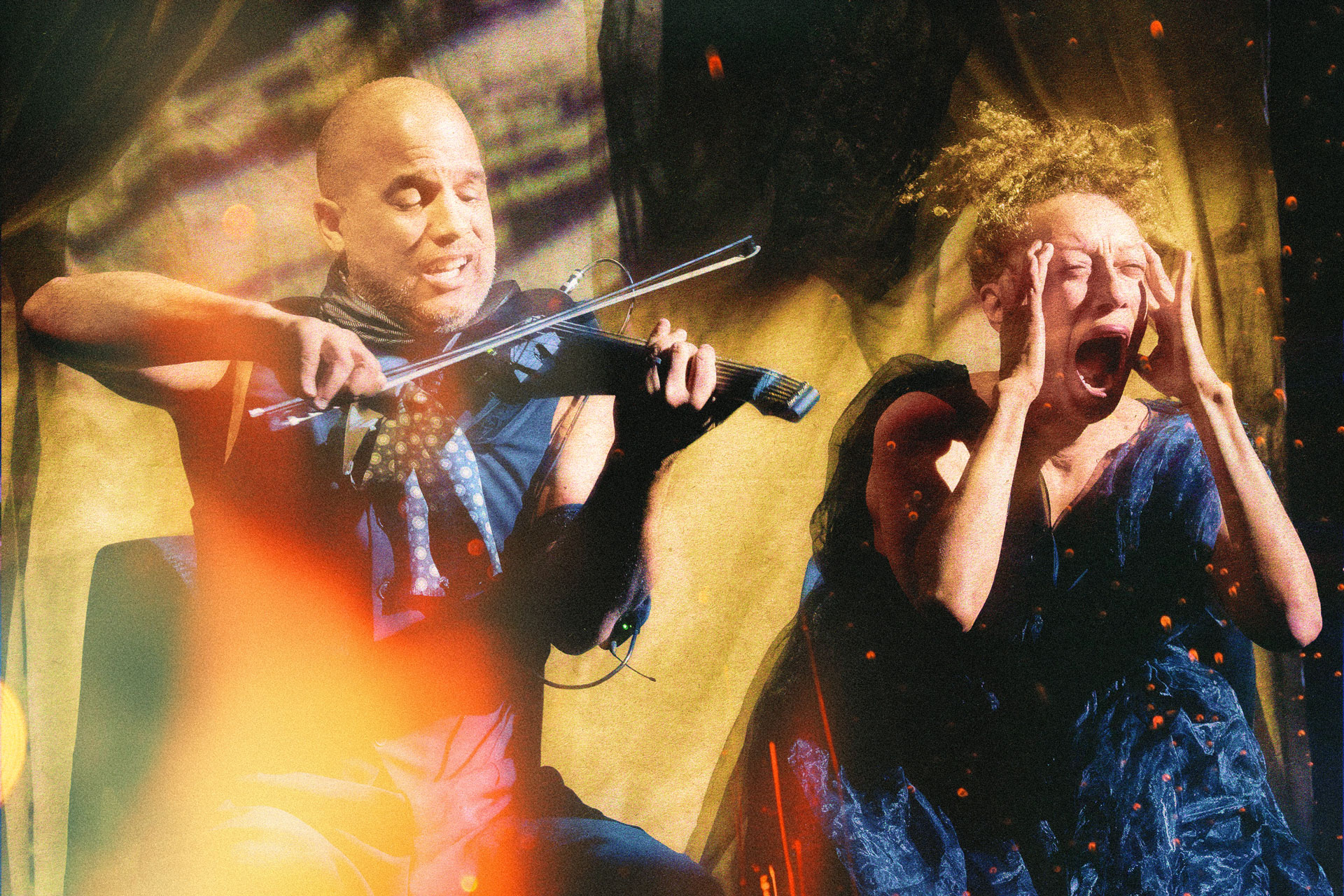
MIT students can pursue a full, joint, or double major, a minor, or a concentration in Theater. Degree requirements are designed to allow either focused exploration in performance, design, and dramaturgy or a broader path built across disciplines. The curriculum meets you where you are and takes you further.
Each year, MIT Theater productions give students the opportunity to make live performances for real audiences. From faculty-directed research to student-driven undertakings, the work made at Building W97 is rigorous, ambitious, and rooted in the same spirit of imaginative problem-solving, radical innovation, and intellectual inquiry that engineers enterprise across the Institute.
Get involved with Theater at MIT
MIT Theater approaches performance as a vital lens for questioning, understanding, and creatively responding to the forces that shape our world. We view theater as a contemporary artistic practice within a rich continuum of global performance traditions that challenges conventions, cultivates curiosity, models collaboration, and inspires new ways of investigating the civic and cultural role of live performance.
There are a host of opportunities for students to collaborate as performers, technicians, and designers for course credit in productions in Building W97, the home of Theater at MIT. Our curriculum provides students with artistic, technical, and intellectual skills along with unique opportunities to apply their knowledge.
The artistic research and creative output of our faculty are represent world-class contributions to innovative and transformative approaches to the field—reaching stages and screens across the globe—browse bios, get in touch, and learn who’s who…
The MIT Theater curriculum invites students to explore a wide range of creative practices including acting, dance, immersive and experiential design, directing, playwriting, voice, movement, script analysis, performance studies, and an array of courses in design.
Theater at MIT invites students to engage with theater as an inherently interdisciplinary practice through its subjects, collaborations, and production opportunities that bridge artistic, scholarly, and technological inquiry. Explore the requirements for the Bachelor of Science in Theater Arts, the Minor, and the Concentration.
Independent of the program in Theater Arts, extracurricular theater and dance abound at MIT. The Shakespeare Ensemble is devoted almost exclusively to the production of Shakespeare’s plays, presenting two full productions during the school year as well as scene nights and masterclasses. Other important extracurricular organizations include the Musical Theater Guild (the oldest and largest student-run theater organization at MIT), the MIT Asian Dance Team, the Ballroom Dance Team, Dance Troupe, E33, and comedy group Roadkill Buffet, among others. The contributions of each are vital components of the diverse theatrical life of the MIT community.
Fall 2026 Subject Highlights
-

Beowulf: The Fall 2026 Theater Arts Production
21T.100 / 21T.500
-
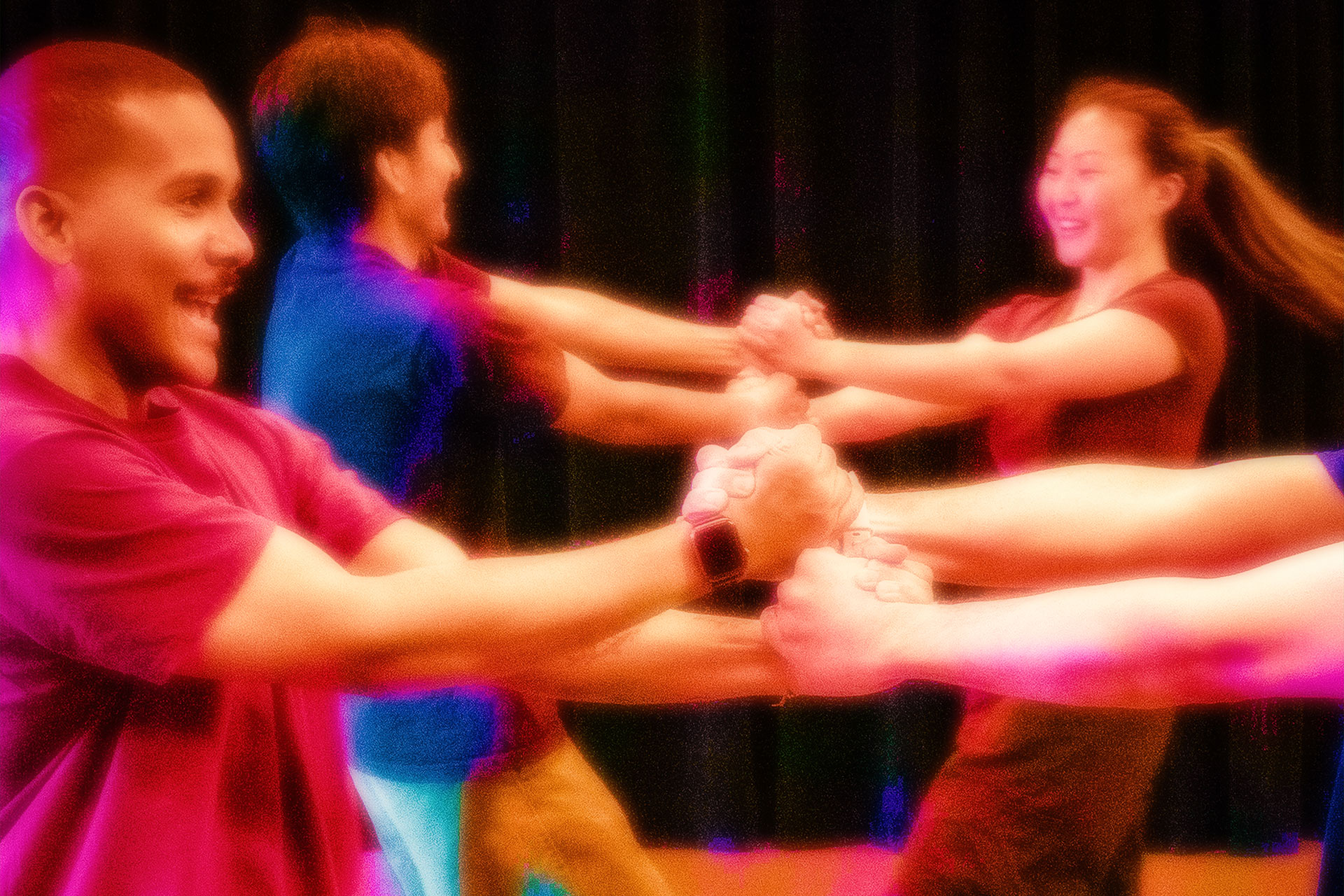
Acting Styles
21T.301 / 21T.501
-

What Are We Building?: Culture, Methods, and Alternative Visions to Sociotechnical Futures
21T.424 / 21T.524
-

Interactive Design for Live Performance
21T.320 / 21T.520
-

Screenwriting
21T.251